Buying or selling a waterfront home in Sandwich can feel thrilling and uncertain at the same time. You know the water adds value, but how do appraisers measure it? If you understand what matters most, you can prepare with confidence and reduce surprises during financing or negotiations. This guide explains how appraisers approach waterfront homes in 02563, which local factors in Sandwich can change value, how limited comparable sales are handled, and what to do before appraisal day. Let’s dive in.
What appraisers look for on the water
Appraisers typically use the Sales Comparison Approach as the primary method for single-family homes, including waterfront properties. They compare your home to recent sales and adjust for differences that the market values. The Cost Approach and, in some cases, the Income Approach may be used as support when it makes sense for the property type and buyer profile.
Here are the main waterfront value drivers they evaluate:
- Water rights and access. Deeded private frontage or exclusive rights usually carry a premium over shared association or public access. Appraisers confirm the legal status of access and any recorded easements.
- Frontage and orientation. Linear shoreline, lot depth, exposure to sun, and distance to the water influence views and usability. Protected harbor or creek frontage often trades differently than open-bay exposure.
- View quality and permanence. Unobstructed, panoramic views tend to command higher value. Appraisers consider whether future development could block or limit the view.
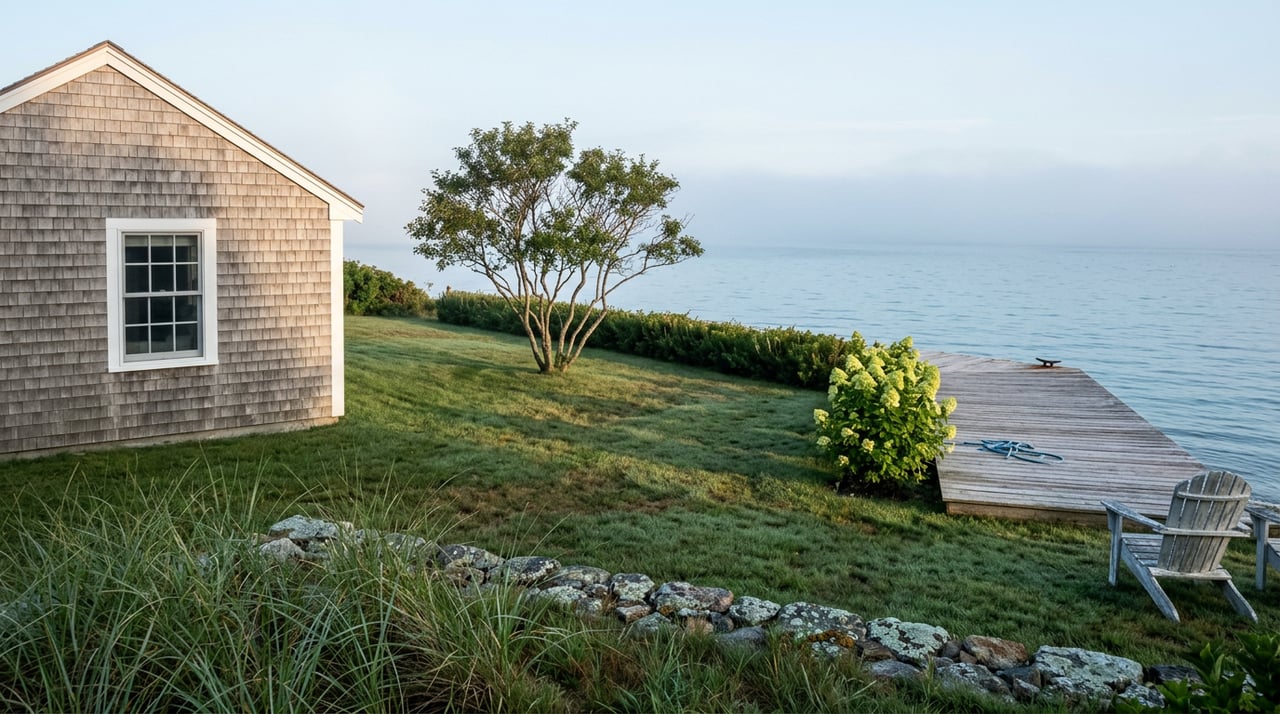
- Functional waterfront improvements. Docks, piers, moorings, stairs, and seawalls matter only when permitted, usable, and in good condition. Documentation and recent inspections help support value.
- Condition and effective age. Salt air and storms can accelerate wear. Roofing, siding, decks, and mechanicals are reviewed, with deferred maintenance weighing on value.
- Flood risk and elevation. FEMA flood zones, base flood elevation, and elevation certificates shape insurability and lender risk. Location in A, AE, V, or VE zones often affects the appraisal narrative and buyer budgets.
- Shoreline stability and resiliency. Erosion, failing bulkheads, or remediation needs can limit value. Engineered protection with proper permits may support marketability but brings maintenance considerations.
- Access and privacy. Private roads, parking limitations, and proximity to marinas or village services influence market appeal.
- Neighborhood and demand patterns. Year-round utility, seasonal dynamics, and the area’s short-term rental potential can inform adjustments and buyer competition.
Sandwich factors that change value
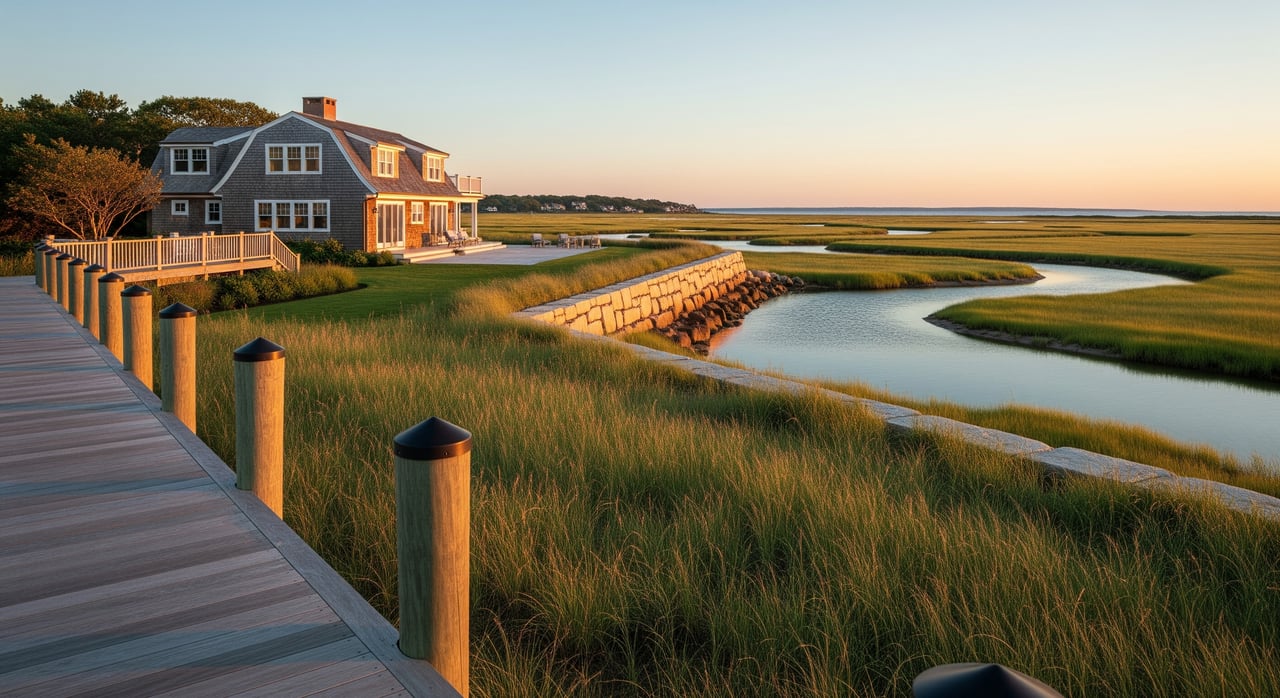
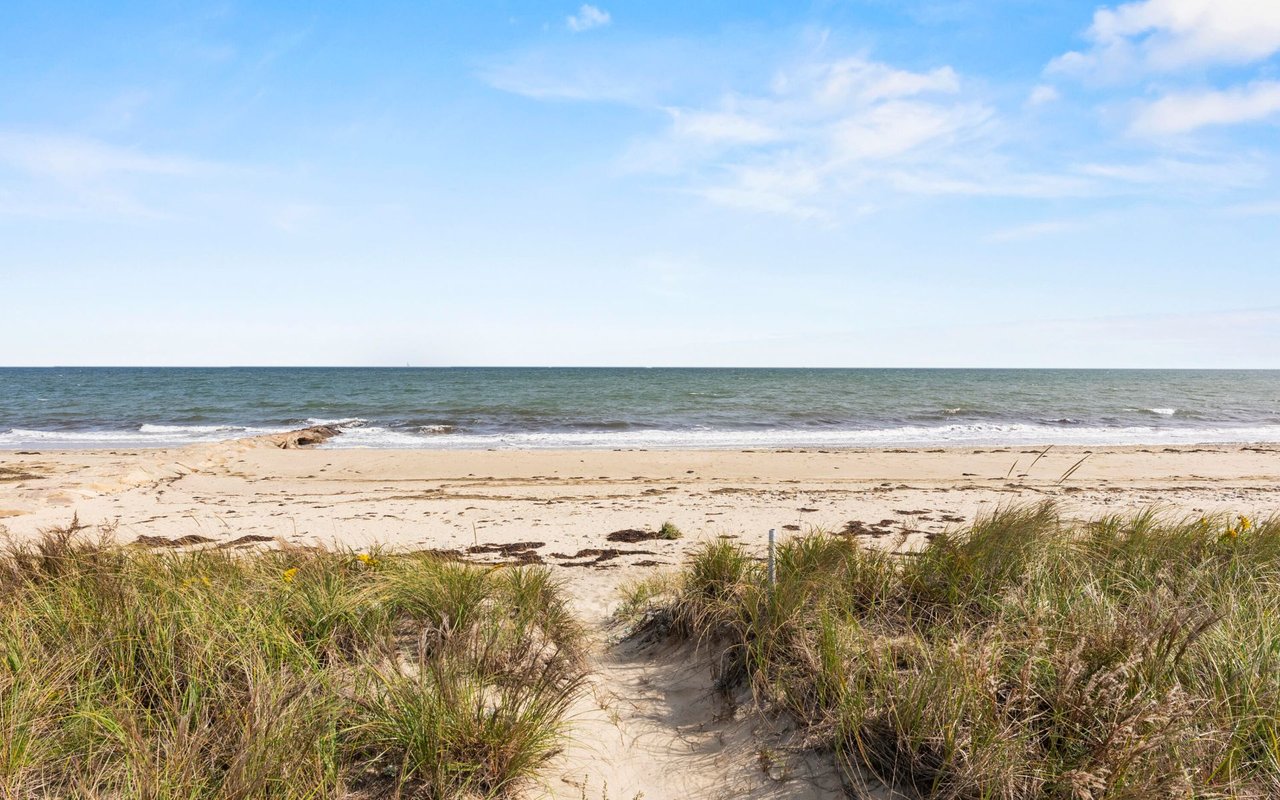
Waterfront in Sandwich spans Cape Cod Bay, Scorton Creek and other tidal creeks, marshes, and harbor settings. Each setting carries different exposure to wind, waves, and tidal activity, which affects usability and perceived risk. Creek and harbor frontage may offer better access for kayaking or small boats, while open-bay frontage emphasizes beach access and wide views.
Local permitting and compliance also play a major role:
- Coastal permits. Structures in tidelands and coastal waters are regulated. Relevant authorities include the Massachusetts Department of Environmental Protection, Chapter 91 for tidelands, the Town of Sandwich Conservation Commission, and the U.S. Army Corps of Engineers in some cases. Unpermitted or expired structures can lower appraised value and complicate underwriting.
- Septic and Title V. Massachusetts Title V rules apply to transfers and changes of use. Appraisers note compliance status because it impacts marketability and lender acceptance.
- Private ways and community access. Many waterfront homes rely on private roads or shared access. Road maintenance agreements, parking rules, and community beach arrangements should be documented for the appraiser.
Seasonality matters too. Sandwich serves both year-round residents and second-home buyers, so appraisers consider the likely buyer pool and how that relates to comparable sales, time of year, and demand.
Flood zones, insurance, and resiliency
Expect your lender to run a flood determination early in the process. If your home is in a Special Flood Hazard Area, you will likely need flood insurance, and an elevation certificate can make a meaningful difference to coverage options and costs. Appraisers include flood zone details and note elevation certificates when available.
Cape shoreline conditions evolve over time. Appraisers may reference documented erosion, local beach nourishment, or town resiliency planning when relevant. Properly permitted seawalls or engineered stabilization can help protect value, while failing or noncompliant structures will typically trigger negative adjustments.
When comps are scarce in 02563
True waterfront is limited, and recent, perfect matches are rare. Appraisers often expand the search to similar Cape Cod waterfront areas with comparable exposure and buyer profiles, then explain and adjust for differences. Trend and time adjustments are common when sales are thin or the market direction is shifting.
To support waterfront-specific adjustments, appraisers may use:
- Paired-sale analysis to isolate premiums for features like private beach rights or a dock.
- Local market interviews and verified listing and sale notes to support view, frontage, and access adjustments.
- Cost approach to gauge contributory value for unique structures, with the understanding that cost does not always equal market value.
- Income approach as a check for properties with documented seasonal rental histories, usually for investment use cases.
Appraisal day checklist
Give your appraiser clear, organized information. Documentation reduces uncertainty and supports stronger conclusions.
Gather these documents:
- Legal and survey items. Deed, plat, and any recent survey showing water frontage and setbacks; recorded access easements or private way agreements.
- Permits and shoreline structures. Permits for docks, piers, seawalls, and any coastal work from the appropriate authorities; recent inspection or repair records.
- Improvements and condition. A list of upgrades with dates and permits; photos of the shoreline, bulkhead, stairs, and interior; maintenance logs; septic Title V and any well water tests.
- Risk and insurance. Flood zone letter or policy declarations, plus an elevation certificate if available; any coastal engineering reports.
- Rental history if applicable. Rent rolls, booking summaries, or 1099s.
- Local sales context. A short list of recent waterfront sales you believe are comparable, with notes on similarities and differences.
On the day of inspection:
- Ensure safe access to the shoreline, stairs, dock, and utility areas, and secure pets.
- Provide keys for outbuildings and mechanical rooms.
- Have a brief fact sheet ready summarizing waterfront rights, permits, and improvements.
- Be available to answer factual questions and point out features, without pressuring the appraiser on value.
Buyer expectations for financing
Plan for extra time. Coastal appraisals can take longer because the appraiser must verify permits, flood data, and shoreline conditions. If the property is in a higher-risk flood zone, lenders may request additional documentation such as an elevation certificate or engineering reports.
If the appraisal comes in low relative to the contract price, you have options. Common paths include renegotiation, a price adjustment, buyer funds to bridge the gap, an appraisal rebuttal with better documentation and comparables, or a second appraisal when allowed. Strong, well-organized documentation often improves the outcome of a rebuttal.
Insurance and underwriting can influence approval or loan terms. Higher flood or wind insurance costs may affect buyer budgets and debt-to-income ratios, so address these items early in the process.
Common pitfalls to avoid
A little preparation can prevent value surprises:
- Unpermitted shoreline structures. Verify permits and renewals before listing; correct or disclose as needed.
- Deferred maintenance. Address visible issues with roofing, siding, decks, or bulkheads that signal accelerated coastal wear.
- Unclear access rights. Confirm deeded rights, easements, and private way agreements, and share documents.
- Erosion or stability concerns. Gather any reports or repair records that clarify conditions and remedies.
- Title V uncertainty. Confirm septic compliance and keep documentation ready for the appraiser and lender.
Work with a local pro
Waterfront valuation is as much about documentation and risk clarity as it is about views and shoreline. A thoughtful process and local knowledge go a long way in Sandwich. If you want calm guidance, clear expectations, and a plan tailored to your goals, connect with a trusted local advisor who understands Upper Cape waterfront and lender requirements.
Ready to talk strategy for your Sandwich waterfront home? Reach out to Shana Lundell for a personalized plan, from prep and pricing to negotiation and closing.
FAQs
How do appraisers value Sandwich waterfront homes?
- Appraisers rely on recent comparable sales, then adjust for water rights, frontage, view, condition, flood risk, shoreline stability, and access while documenting market support.
What does a dock add to value in Sandwich 02563?
- A permitted, functional dock that fits the water depth and tidal range can add value; unpermitted or nonfunctional docks often add little or can reduce value due to risk.
How do flood zones affect appraisal and loan approval?
- Location in FEMA A, AE, V, or VE zones can require flood insurance and added documentation; appraisers note zones and elevation certificates, which influence lender risk and buyer budgets.
What documents help the appraiser for a Sandwich property?
- Deed and survey, shoreline permits, improvement and maintenance records, septic Title V, flood insurance details and elevation certificate, and any coastal engineering reports.
What if there are no close comps on Cape Cod?
- Appraisers may expand the search to similar waterfront areas, use paired sales and time adjustments, and consider cost or income approaches as support when appropriate.
How long do coastal appraisals take in Barnstable County?
- They often take longer than non-coastal appraisals because the appraiser must verify permits, flood data, and shoreline conditions; plan for added time in your closing timeline.