Buying in Plymouth and wondering how much cash you’ll need at the table? You’re not alone. Between lender fees, prepaids, and local requirements, closing costs can feel like a moving target. In this guide, you’ll see what buyer closing costs include, the typical ranges, Massachusetts and Plymouth specifics that can add or reduce costs, and smart ways to plan your cash to close. Let’s dive in.
What buyer closing costs include
Closing costs are the one-time expenses you pay to finalize your purchase and your loan. They usually fall into a few buckets:
- Lender and loan costs: origination or processing, appraisal, credit report, discount points if you buy the rate down, underwriting, mortgage insurance if your loan program requires it, prepaid interest, and initial escrow deposits for taxes and insurance.
- Title and attorney fees: title search, title exam, lender’s title insurance and optional owner’s title insurance, your attorney’s fee, and recording charges at the county registry.
- Inspections and reports: general home inspection, radon, wood-destroying insect, mold, septic Title 5 if applicable, and well water testing where relevant.
- Prepaids and escrows: first year of homeowners insurance, prorated property taxes, HOA or condo dues if any, and utility or municipal adjustments.
- Transfer and recording: statutory recording fees at the registry and any state or local transfer taxes where applicable by law or custom.
Your lender is required to give you a Loan Estimate within three business days of mortgage application, and a final Closing Disclosure at least three business days before closing. These documents offer the most accurate, transaction-specific numbers and timing details. You can learn how these disclosures work from the CFPB’s guide to the Loan Estimate and Closing Disclosure.
How much to budget in Plymouth
As a rule of thumb, buyers often see total closing costs of about 2% to 5% of the purchase price. The range depends on your loan type, rate-and-fee choices, whether you purchase discount points, the amount of your initial escrow deposits, and local items like septic or flood-related needs. For example, on a $600,000 home, 2% to 5% equals roughly $12,000 to $30,000 in closing costs. Your exact figure will be detailed on your Loan Estimate and updated on the Closing Disclosure.
A few items can swing cash to close up or down:
- Timing near tax due dates can increase or decrease prorations.
- Lender escrow requirements vary and can add months of taxes and insurance at closing.
- Optional owner’s title insurance and discount points add to upfront costs but protect you or reduce your rate.
- Seller concessions can offset a portion of your costs, subject to loan program limits.
Massachusetts rules that affect your costs
Attorneys and title insurance
Massachusetts closings commonly involve attorneys. Most buyers retain an attorney to review the purchase-and-sale agreement, title, and closing package. You’ll also see two types of title insurance at closing: a lender’s policy, which the lender requires, and an optional owner’s policy, which protects your ownership. Premiums are one-time and based on price. Buyers often pay for the owner’s policy, but this can be negotiated.
Title 5 septic requirements
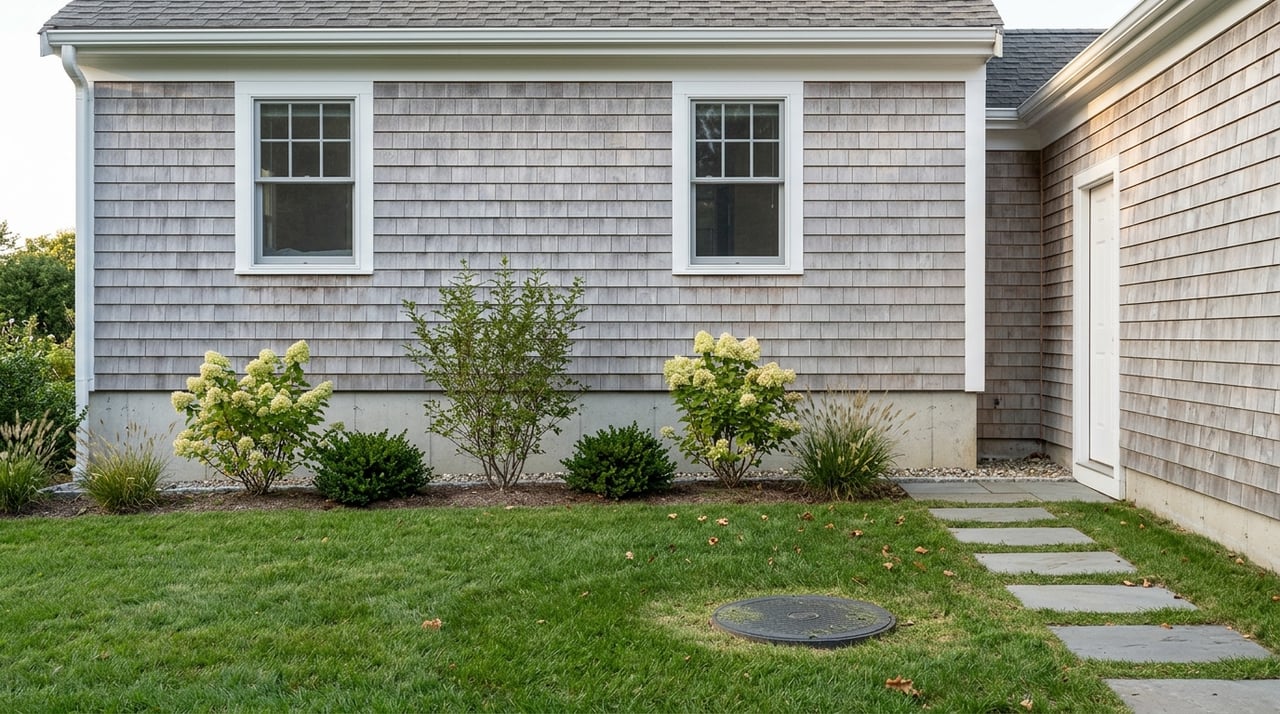
If the property has a private septic system, Massachusetts Title 5 rules apply. A Title 5 inspection is typically required, and repairs can become part of negotiations. For program details, see the state’s overview of septic systems and Title 5.
Recording at the registry
Deeds and mortgages are recorded at the Plymouth County Registry of Deeds. Recording fees are set by the registry and are paid at closing. For procedures and current forms, visit the Plymouth County Registry of Deeds.
Plymouth specifics to watch
Flood and coastal considerations
Parts of Plymouth and the county fall within FEMA Special Flood Hazard Areas. If your home is in a mapped flood zone and you use a federally regulated mortgage, flood insurance will be required. Check a property’s status using the FEMA flood maps portal. Flood insurance premiums, elevation certificates, or additional lender review can affect your total costs and timeline.
Septic and well prevalence
Many homes outside sewer service rely on private septic systems, and some properties use private wells. In these cases, expect Title 5 inspections and, often, water quality testing. Work with your attorney and inspector to confirm responsibilities for inspections and any repairs in the purchase-and-sale agreement.
Local taxes and proration
Property taxes are prorated at closing. The exact credit or charge depends on Plymouth’s billing schedule and whether the seller has already paid the current period. To plan for proration, confirm dates and amounts on the Town of Plymouth website under the assessor or treasurer-collector pages.
Historic and conservation factors
Older properties or those near wetlands or conservation areas can require added reviews, permits, or specialized inspections. Your agent and attorney can help you identify any restrictions early so you can budget accordingly.
Typical cost ranges you may see
The ranges below are general expectations for single-family purchases and can vary with property type, loan program, and complexity.
- Appraisal: commonly $400 to $900.
- Credit report: typically $25 to $60.
- Lender origination and processing: sometimes 0% to 1% of the loan amount, or a flat fee. Underwriting or application fees may be separate or bundled.
- Discount points: optional, 1% of the loan per point if you choose to buy down your rate.
- Mortgage insurance: required for certain loan types or lower down payments. Premium structure depends on program.
- Attorney fees: often several hundred to over a thousand dollars, depending on services and complexity.
- Title search and exam: typically several hundred dollars for a standard single-family transaction.
- Title insurance: lender’s policy required by the lender; owner’s policy is optional but strongly recommended. Premiums scale with purchase price.
- General home inspection: commonly $300 to $700; specialty tests like radon, insect, or mold often add $100 to $400 each.
- Septic Title 5 inspection: several hundred dollars; repair needs can influence negotiations and timelines.
- Prepaid interest: varies by your closing date.
- Escrow deposits for taxes and insurance: often a couple of months of payments, but exact amounts depend on lender requirements and the time of year.
For line-by-line examples of what lenders must disclose, see HUD’s overview of buyer closing costs and settlement charges and the CFPB disclosure guide linked above.
How timing changes cash to close
Prepaids and prorations depend on when you close. Closing earlier in the month increases prepaid interest days, while closing later reduces them. Closing right after a property tax due date can create a larger escrow deposit or a proration back to the seller, which changes your bottom line.
Key timing notes:
- Prepaid interest accrues from the day your loan funds until your first regular payment date.
- Lenders often require an escrow cushion for taxes and insurance that reflects upcoming bills.
- If the seller prepaid a tax bill covering a period after closing, you typically reimburse your share on the settlement statement.
- By law, you receive the Closing Disclosure at least three business days before consummation, giving you time to review every number. Learn more about the timing and contents in the CFPB Closing Disclosure overview.
Ways to reduce your closing costs
- Compare lenders. Request Loan Estimates from at least two lenders and compare total costs and rate options.
- Ask for seller concessions. You can negotiate for the seller to cover a portion of closing costs, subject to loan program limits.
- Clarify who pays what. Spell out who covers owner’s title policy, recording fees, inspections, and municipal certificates in the purchase-and-sale agreement.
- Adjust your date. A small change in closing date may reduce prepaid interest or avoid a large tax proration.
- Consider lender credits. Some lenders offer rate options with credits that offset fees in exchange for a slightly higher interest rate.
- Keep owner’s title protection. Skipping the owner’s policy reduces upfront cost but increases risk. Instead, consider negotiating for the seller to pay.
Your Plymouth buyer checklist
Start early so there are no surprises on closing day:
- Get Loan Estimates from at least two lenders and compare total cash to close.
- Ask the listing side about any recent Title 5 inspection and whether the home has septic, well, or flood insurance history.
- Check FEMA flood maps to confirm the property’s zone using the FEMA portal.
- Confirm tax billing dates and amounts on the Town of Plymouth website so you can estimate proration.
- Review recording practices and forms with the Plymouth County Registry of Deeds.
- Learn the basics of prepaids and disclosures from the CFPB’s guide and review Massachusetts Title 5 rules if a septic system is involved.
Planning a purchase in Plymouth or along the Upper Cape and want a clear, line-by-line cash-to-close plan tailored to your situation? Let’s talk through your goals, timing, and the local factors that apply to your property. Unknown Company is ready to help you move forward with calm, confident steps.
FAQs
Who pays which closing costs in Massachusetts?
- Many items are negotiable. Buyers commonly pay lender-related charges, inspections, their attorney, and title insurance, while sellers typically pay broker commissions. Certain taxes or fees and owner’s title policy can be negotiated in the purchase-and-sale agreement.
How much are buyer closing costs in Plymouth, MA?
- A common planning range is 2% to 5% of the purchase price, but your final figure depends on loan program, points, escrow deposits, and local factors like septic or flood requirements.
Do I need an attorney to buy a home in Massachusetts?
- It is not legally required for buyers, but attorney representation is common and recommended to review documents, manage title issues, and coordinate closing.
Will my lender require an escrow account for taxes and insurance?
- Most lenders require escrow on owner-occupied mortgages. Expect an initial deposit at closing plus monthly contributions with your mortgage payment.
How do taxes and timing affect my cash to close?
- If the seller prepaid a tax bill, you usually reimburse your share at closing. Lenders also collect escrow deposits that vary by time of year. Closing near a tax due date can change your prorations and escrow cushion.
How can I estimate my closing costs early in the process?
- Use the 2% to 5% rule as a starting point, then request Loan Estimates from lenders and quotes from your title company and inspectors. Your numbers will be finalized on the Closing Disclosure at least three business days before closing.