
Cape Cod Jumbo Loans: Limits, Rates And Options
Shopping for a luxury home in Hyannis or along Barnstable’s coastline and wondering if your financing counts as a jumbo loan? You are not alone. Many Cape buyers find that beautiful waterfront and custom properties push loan sizes above standard limits. In this guide, you will learn how jumbo loans work on Cape Cod, how to verify current limits, what lenders expect, and how to plan your rate lock and timeline with confidence. Let’s dive in.
A jumbo loan is any mortgage that is even one dollar above the conforming loan limit for the county. Conforming loans are set each year by the Federal Housing Finance Agency. Some counties receive higher limits when local prices are high, which can apply to parts of Massachusetts.
For 2025, do not assume the national baseline applies to Barnstable County. Always confirm the current county-specific limit on the FHFA’s loan limits page. If your loan amount exceeds that figure by even a small margin, lenders will treat it as a jumbo with different underwriting, documentation, pricing, and product choices.
The shift from conforming to jumbo affects how your loan is approved and priced. Jumbo loans are funded by private investors or held in a lender’s portfolio, so rules vary from lender to lender. You may see tighter credit standards, larger down payment requirements, and more cash reserves.
Because jumbo pricing is less standardized, quotes can vary more across lenders than with conforming loans. This is why comparing several lenders and product types is essential for Cape Cod buyers.
For a full-documentation jumbo, be ready to provide:
High-value or unique Cape Cod properties often require an experienced appraiser and a full interior inspection. For certain luxury or waterfront homes, a lender may request two valuations or an appraisal plus a broker opinion. Title review and insurance scrutiny can be more detailed for coastal addresses, especially around flood and wind coverage.
Best for buyers with strong credit, verifiable income, and solid liquid assets. These follow traditional documentation and are often competitively priced.
Local or regional banks may hold jumbo loans on their balance sheet. That can create flexibility on reserves, income types, or property quirks. This is often a good fit for non-warrantable condos or unique Cape properties.
Bank-statement or asset-depletion programs help high-net-worth buyers with complex income. Expect higher rates and lower maximum loan-to-value ratios compared with full-doc programs.
Adjustable-rate jumbos and interest-only structures can help with cash flow or short holding periods. These products carry different risks, so weigh payment changes and exit plans carefully.
Private banks sometimes offer loans secured by investment portfolios. This can speed up purchases without selling assets, but there is margin-call risk. Bridge loans from portfolio lenders can help you buy first and sell later, which is useful when timing is tight.
Many Cape properties sit in FEMA-designated flood zones. Lenders will order a flood determination, and most will require flood insurance when maps mandate it. Premiums vary by property and can affect your debt-to-income ratio, reserve needs, and overall monthly budget. Wind coverage and special coastal riders can also influence costs.
Shoreline erosion or regulatory restrictions can affect valuation and insurability. Appraisers consider long-term suitability, not only recent sales. Your lender may ask for additional documentation to address these risks on certain parcels.
Some Cape Cod condo associations, especially smaller or seasonal projects, may be considered non-warrantable. This can limit conforming financing and point you toward portfolio or jumbo programs. Verify warrantability and HOA financials early to prevent surprises.
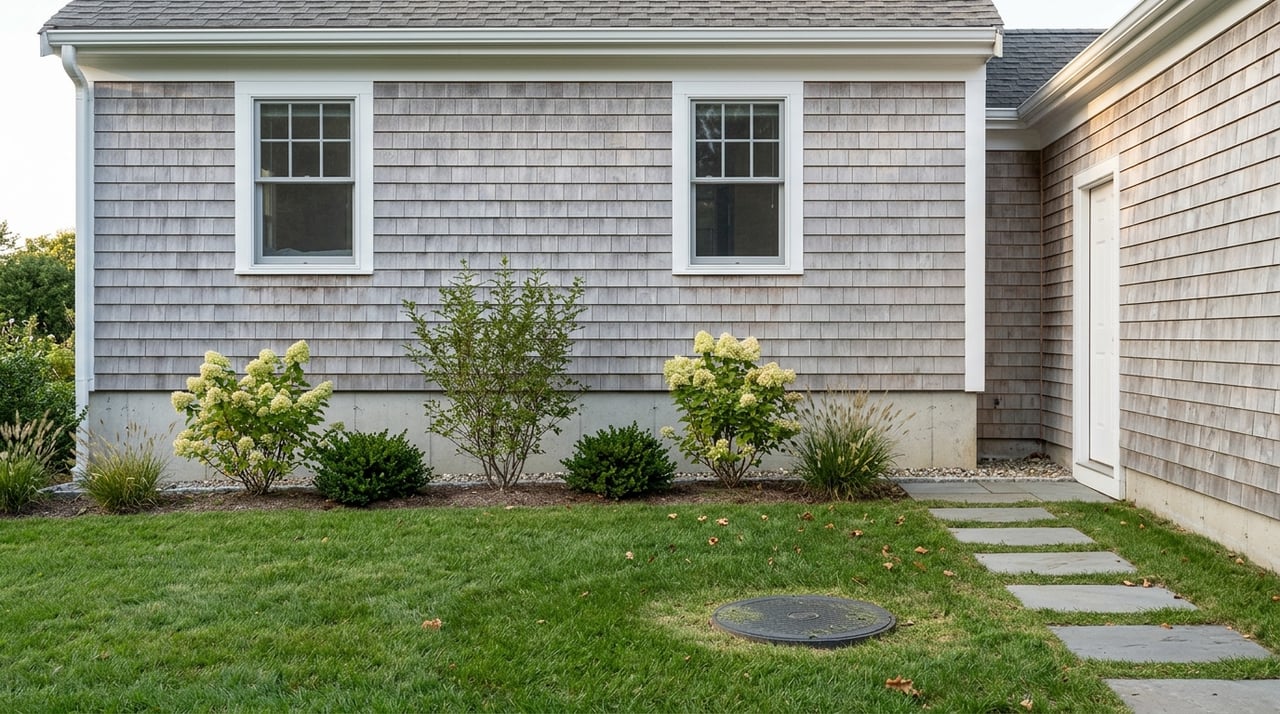
Older or rural properties may have septic systems, wells, or unique deed restrictions. Lenders may require inspections or proof of compliance. If a system needs work, factor potential repairs and timelines into your financing plan.
Many Barnstable buyers purchase second or seasonal homes. Reserve and down payment rules are often tighter for these. Some lenders accept documented short-term rental income, but requirements are strict and vary. Confirm whether your chosen program allows short-term rental history for qualification.
Jumbo rates reflect investor demand, lender funding costs, and borrower risk. There are times when jumbo rates are close to, or even below, conforming rates. Because pricing can vary widely by lender, it pays to compare quotes across national lenders, local banks, credit unions, and private banks.
You can usually lock your rate after completing a loan application with key documentation. A preapproval letter by itself does not lock a rate. Common lock periods are 30, 45, 60, and 90 days. For Cape luxury purchases, 45 to 60 days is common, though complex properties or longer appraisal times may push you to 60 to 90 days.
Obtain quotes from 3 to 4 lenders to compare rates, fees, and product rules. Local and regional banks may be more flexible with Cape-specific issues like non-warrantable condos, septic systems, or seasonal rentals. Private banking relationships can unlock securities-backed options, but make sure you understand liquidity and margin risks.
If you need to sell to buy, a bridge loan can help you present a non-contingent offer. Coordinate your closing date and any rent-back with your rate lock window to avoid extension costs. Keep your sale timeline, appraisal order, and inspection milestones aligned so you do not rush a lock decision.
A jumbo loan on Cape Cod is not complicated once you know the rules. Your first job is to confirm the current Barnstable County conforming limit, then match your goals with the right jumbo product. From there, build a clean documentation file, get early insurance quotes for coastal coverage, and align your lock window with a realistic timeline. With the right plan, you can compete with confidence for a home you love.
Ready to map out your jumbo strategy in Hyannis or anywhere in Barnstable County? Connect with a local specialist who brings calm leadership, clear communication, and proven results. Reach out to Shana Lundell to start the conversation.


She is proud to have over 100 five-star client testimonials that rave about her positive, professional, responsive, and authentic approach to real estate service. Love where you live. Live where you love.
SHANA LUNDELL
ADDRESS