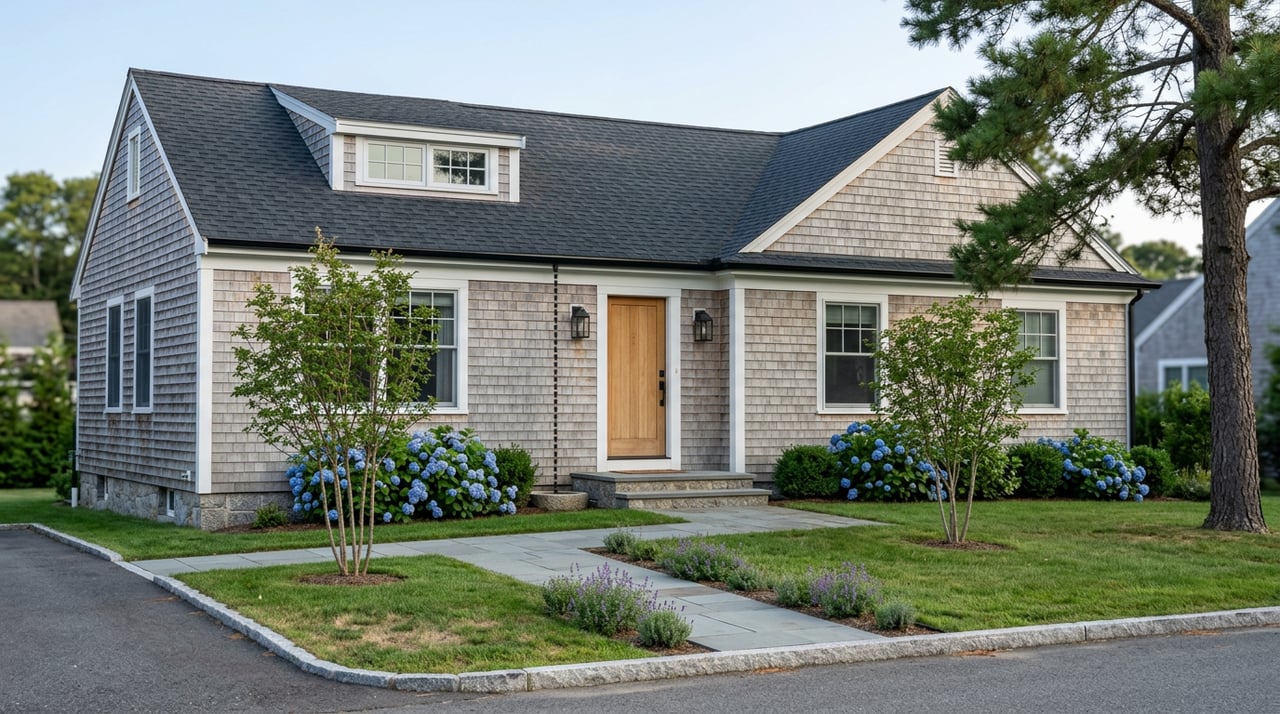
Plymouth Waterfront vs Inland: Which Neighborhood Fits?
Torn between waking up to Cape Cod Bay and the ease of a newer inland community? You are not alone. Choosing where to plant roots in Plymouth often comes down to balancing views, convenience, budget, and long-term costs. In this guide, you will see how waterfront and inland neighborhoods compare on price, lifestyle, commute, maintenance, and resale so you can decide with confidence. Let’s dive in.
Plymouth covers a wide stretch of coastline with many named villages and settings, from downtown harbor to quiet inland ponds. To keep your search focused, it helps to group the area into three broad categories:
Each setting offers a different mix of access, views, maintenance, and regulations. The right fit depends on how you live day to day and what you expect from ownership over time.
Start with a baseline. Recent zip-level data indicates a median sale price around $692,000 in 02360, and citywide typical values in the low-to-mid $600Ks. These figures help frame expectations before you compare specific neighborhoods and property types.
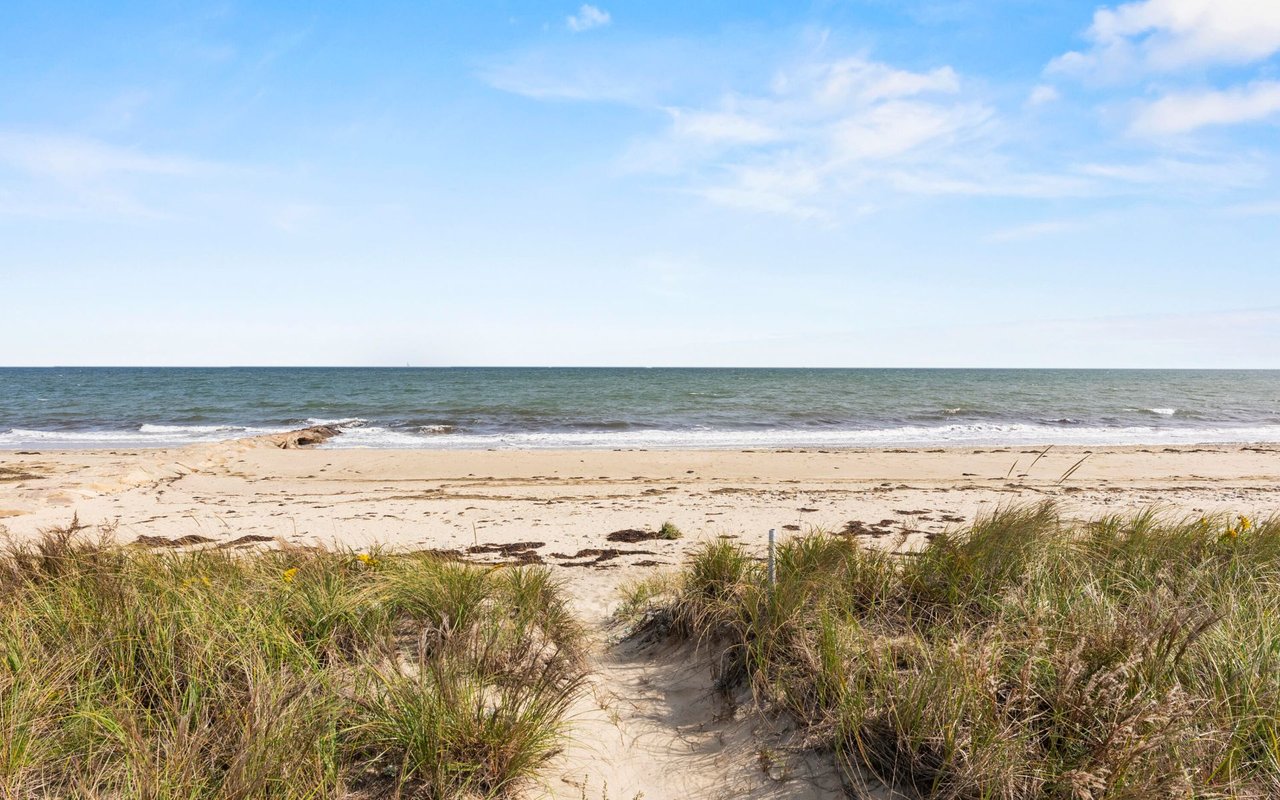
If daily sunrises and direct beach access top your wish list, oceanfront and harborfront properties deliver the classic Plymouth experience.
These homes are scarce, which supports long-term value, but they also require a plan for flood insurance, storm hardening, and ongoing exterior maintenance.
Pondfront homes sit in a middle tier. Many sell from the mid-$500Ks to the $900Ks+. You get calm water access for kayaking and small boats, wooded privacy, and an often more sheltered setting compared to open ocean exposure. Association rules, dock permissions, and septic location influence value and use.
Inland neighborhoods and The Pinehills offer newer construction, space, and predictability with community amenities. Townhomes and attached homes often start in the $500Ks and run through the $700Ks, while detached and custom homes range from the high $700Ks into the low seven figures in top enclaves. For many buyers, especially those prioritizing convenience and lower weather risk, this category competes directly with waterfront on both price and lifestyle.
Plymouth sits roughly 40 to 45 miles from downtown Boston. Most commuters drive Route 3, and travel times vary widely by time of day, often running 45 to 80 minutes or more. You can find a quick town overview here: Plymouth, Massachusetts.
Train service to Plymouth station has been suspended in recent years, and the nearest active commuter rail option for many residents is Kingston/Route 3. Always confirm the latest status since service patterns have changed since 2020. See a summary of the Kingston Line context at Plymouth/Kingston Line.
For Boston and Logan Airport, Plymouth & Brockton offers express bus service from park-and-ride locations along Route 3. Regional planning sources also summarize local park-and-ride patterns and peak-period service for the South Shore. For a planning reference, see the CTPS notes on park-and-ride and express bus patterns.
Waterfront living is about more than views. You get beach access, boating, and a front-row seat to coastal weather and light. Near downtown, you can stroll to harbor dining and events. Condos along the waterfront lower the maintenance load while keeping you close to the action.
If you value quiet water, bird calls, and wooded buffers, pondfront living is a sweet spot. You can launch a kayak in minutes, enjoy four seasons of scenery, and often have more land privacy. Rules vary by association, so confirm beach rights, dock policies, and any restrictions on motorized boats before you buy.
The Pinehills emphasizes convenience and community programming: golf courses, trails, a village green with shops and restaurants, and newer construction standards. For many buyers, these amenities trade places with ocean views as the daily lifestyle upgrade. Explore the community overview at The Pinehills.
Waterfront life comes with specific responsibilities. Understanding permits, insurance, and infrastructure will protect your budget and peace of mind.
Many oceanfront parcels fall within FEMA flood zones. Lenders may require flood insurance, and premiums depend on elevation, construction, and mitigation measures. Massachusetts also provides state tools and guidance for sea level rise and coastal flooding through the Office of Coastal Zone Management. For planning resources and resilience context, see the CZM summary in CZ-Mail Year in Review.
What to do:
Waterfront homes often carry higher wind and flood premiums. Building to current coastal standards, using impact-rated windows, and selecting corrosion-resistant materials can reduce risk and improve insurability. Work with your insurer for quotes tied to a specific address and construction details before you finalize an offer.
Many Plymouth homes use on-site septic. Massachusetts Title 5 rules govern inspections at time of sale and can require repairs or upgrades, especially in nitrogen-sensitive areas near estuaries and ponds. Always order a Title 5 inspection and check local Board of Health records early in your contingency timeline. Review state guidance here: Title 5 septic systems.
Seawalls, revetments, and similar coastal work require state and local permits. Maintenance obligations can pass to future owners and may affect neighboring shorelines. Start by confirming what structures are present, their condition, and any permits or orders on file. For public record directories that point to assessor and GIS contacts, see this property records reference: Massachusetts property records and tax.
Salt air accelerates wear on decks, trim, railings, and metal. Dune or beach landscaping can be regulated, and association dues may cover beach management or private road upkeep. Inland planned communities often shift exterior work to the HOA or simplify it with newer building materials. Build a reserve for storm repairs and routine exterior refreshes if you choose oceanfront living.
Use these quick filters to narrow your path:
Ask yourself:
If you want local guidance tailored to your lifestyle and budget, connect with a trusted, data-minded advisor. Reach out to Shana Lundell to compare neighborhoods, pressure-test commute and insurance assumptions, and map a clear path to your ideal Plymouth home.

She is proud to have over 100 five-star client testimonials that rave about her positive, professional, responsive, and authentic approach to real estate service. Love where you live. Live where you love.
SHANA LUNDELL
ADDRESS