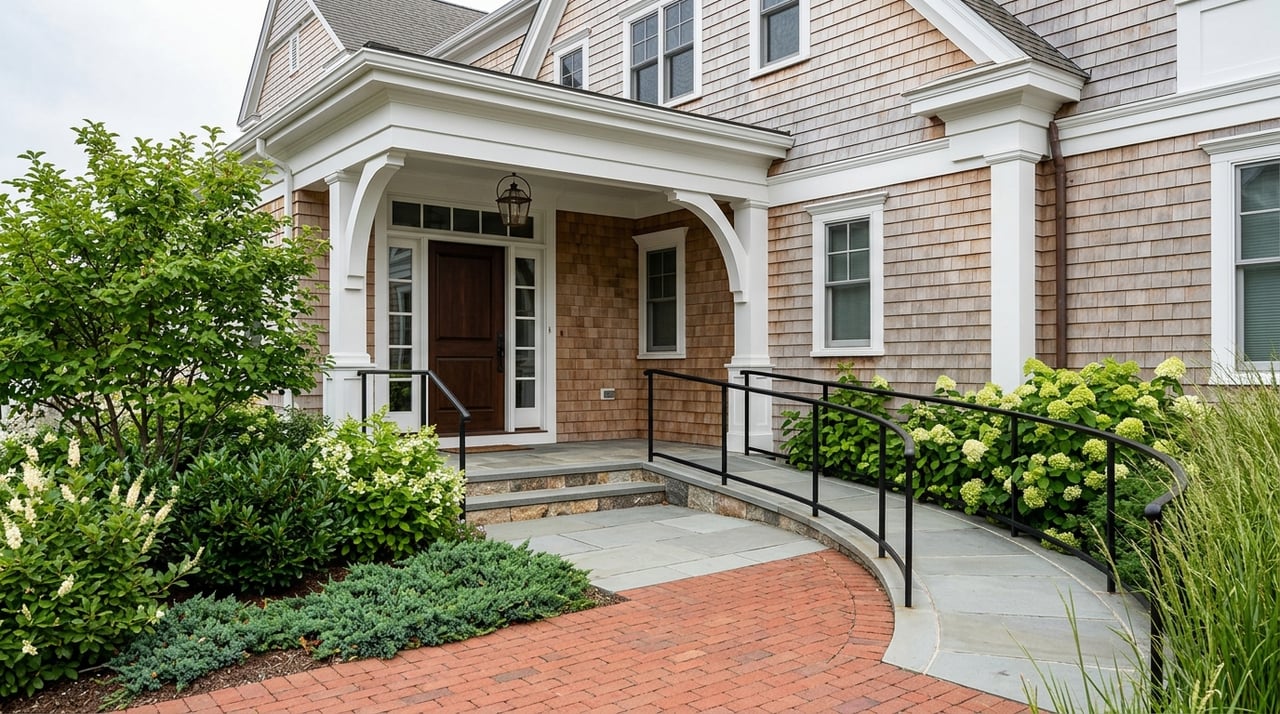
A Practical Guide to Downsizing to a Condo in Hyannis
Thinking about giving up stairs, yard work, and extra rooms you rarely use, but not ready to give up convenience? Downsizing to a condo in Hyannis can offer a simpler way to live while keeping you close to errands, healthcare, transportation, and everyday amenities. If you want a move that feels practical without feeling limiting, this guide will help you think through what matters most before you buy. Let’s dive in.
Hyannis stands out because it offers a more compact, in-town lifestyle than many other parts of the Cape. The Town of Barnstable describes downtown Hyannis as the community’s commercial and transportation hub, with zoning that supports compact housing in a dense, mixed-use setting. That matters if you want less upkeep and more day-to-day convenience.
This is not just about moving into a smaller home. It is about reshaping how you live. In Hyannis, you can focus on being closer to services, appointments, shopping, and local transportation while cutting back on the maintenance that often comes with a larger single-family property.
For many downsizers, that combination is the real appeal. You may be looking for a home that feels easier to manage now, while also making life more flexible in the years ahead.
A condo can reduce the number of things you need to handle on your own, but it does not remove planning from the picture. Instead of maintaining a yard, roof, or exterior on your own, you share responsibility for common areas and building expenses through the condo association.
In Massachusetts, condos are governed by the master deed, your deed, the bylaws, and Chapter 183A. The Commonwealth also states that it does not provide regulatory oversight over condominiums. In simple terms, the documents matter a great deal because they control how the property is run, what owners are responsible for, and what fees may apply.
That is why downsizing to a condo is not only about square footage. It is also about understanding the rules, costs, and overall health of the association before you commit.
One of the biggest mistakes buyers make is focusing only on the advertised condo fee. That number is important, but it is only one part of your full ownership cost. You will want to understand what the fee covers, how stable it has been, and whether the association appears prepared for future repairs.
According to Massachusetts guidance, common expenses are assessed from an annual budget and are usually paid monthly. Replacement reserves are also part of condo budgeting, and owners can face special assessments in some situations. If common expenses go unpaid, Massachusetts law allows lien remedies, which is one reason financial stability matters so much.
In a coastal area like Hyannis, insurance deserves close attention too. Standard homeowners, renters, and condo policies do not cover flood damage. Depending on the property and the association’s coverage, you may need an HO-6 condo policy for items not covered by the master policy and possibly separate flood insurance.
A condo with a lower monthly fee is not always the better value. In some cases, a somewhat higher fee may reflect more complete services or stronger reserve planning. The goal is to understand the full picture, not just the headline number.
Before making an offer, Massachusetts recommends reviewing the association’s master deed, bylaws, meeting minutes, financial records, contracts, and insurance policies. These documents tell you how the association operates and what kind of ownership experience you can expect.
Meeting minutes can reveal whether the building has had recurring maintenance concerns or discussions about future projects. Financial records can help you understand whether reserves appear adequate and whether the association relies heavily on special assessments. Insurance documents can clarify where the association’s coverage stops and where your own policy would need to begin.
This review process may feel detailed, but it can protect you from surprises later. When you are downsizing, peace of mind is often just as important as the layout of the unit itself.
A smart downsizing move should work for your life now and remain practical over time. That is why it helps to think beyond finishes and staging when touring condos. Features that support easier daily living can make a meaningful difference.
The National Institute on Aging highlights several home-safety basics, including good lighting, clutter-free walkways, non-slip surfaces, manageable stairs, and handrails on both sides where stairs are present. In condo terms, that often means looking closely at access, circulation, and bathroom layout.
You do not have to predict every future need. You simply want a home that supports comfort, safety, and flexibility.
One reason Hyannis works well for many downsizers is that it pairs housing options with local support resources. Barnstable’s Adult Community Center is located in Hyannis at 825 Falmouth Road, and the town also offers a transportation program for residents age 60 and older and for disabled residents.
That transportation program can be used for local trips such as medical appointments, shopping, banking, and other errands. For some buyers, this kind of support can make condo living feel more sustainable over time. It adds another layer of convenience beyond the walls of the home itself.
Hyannis also benefits from broader public transit options. The Cape Cod Regional Transit Authority operates accessible buses for riders using wheelchairs or scooters, offers ADA paratransit for eligible riders, and currently runs fixed routes free every day.
Downsizing is often about reducing friction in daily life. Access to healthcare and transportation can play a major role in that decision. Hyannis offers both in a way that supports year-round living.
Cape Cod Hospital is located in Hyannis on Park Street. Cape Cod Healthcare also has multiple Hyannis offices in specialties and primary care, including cardiology, pulmonary medicine, dermatology, oncology, and primary care services.
Transportation access is another strength. The CCRTA operates the Hyannis Transportation Center downtown and offers fixed routes, DART, SmartDART, ADA Paratransit, Boston Hospital Transportation, and seasonal CapeFLYER service. Hyannis is also an important ferry and aviation hub, with year-round Nantucket service from the Steamship Authority, Hy-Line service, and Cape Cod Gateway Airport offering commercial and general aviation service.
For a downsizer, that mix can be very appealing. It supports local errands and appointments, while also making regional travel and island access more manageable.
Even if you expect this to be your long-term home, resale still matters. A condo that is easier to access, close to healthcare and transportation, and located in a convenient part of Hyannis may also appeal to future buyers.
Recent market data gives useful context. CCIAOR reported 754 Cape Cod condo sales in 2025 with a median price of $494,500, and sellers received 95.2% of original list price on average. Redfin reported Hyannis at a March 2026 median sale price of $614,000 with a median of 8 days on market.
No statistic can predict what a single property will do in the future. Still, these numbers suggest there is meaningful buyer interest in the area. Convenience, accessibility, and in-town location can all support long-term appeal.
If you are starting your search, it helps to keep your priorities clear. Downsizing usually goes more smoothly when you focus on lifestyle fit first and cosmetic details second.
A good downsizing move should feel lighter, not riskier. The right condo in Hyannis can offer both simplicity and connection if you choose carefully.
If you are weighing a move to a condo in Hyannis, having a local guide can make the process feel far more manageable. From comparing buildings and reviewing ownership costs to thinking through timing and resale, Shana Lundell brings a calm, consultative approach to helping you make a confident next move.





She is proud to have over 100 five-star client testimonials that rave about her positive, professional, responsive, and authentic approach to real estate service. Love where you live. Live where you love.

SHANA LUNDELL
ADDRESS