Search

Leave a Message

Thank you for your message. I will be in touch with you shortly.

Explore My Properties

Sandwich New Construction Vs Historic Homes

Torn between the charm of an antique Cape and the ease of a brand‑new build in Sandwich? You are not alone. Buyers in 02563 love the town’s history and coastal setting, but they also want clarity on long‑term costs, permits, and financing. In this guide, you will compare new construction and historic homes through a local lens, so you can choose with confidence. Let’s dive in.

Sandwich market snapshot

Sandwich is one of the oldest towns on Cape Cod and you will see that history in the housing stock. Market medians in 02563 vary by data source and reporting date. Recent portals have shown a range roughly between about $575,000 and $775,000. Some sites publish median list price, while others publish median sold price, and they update at different times. That is why numbers differ.

The takeaway for you: look at neighborhood‑level comps and the most recent data when you are ready to write an offer. In a fast‑moving Cape market, medians shift quickly across seasons. Town reports and local MLS snapshots can add context when you want the freshest view.

What makes Sandwich unique

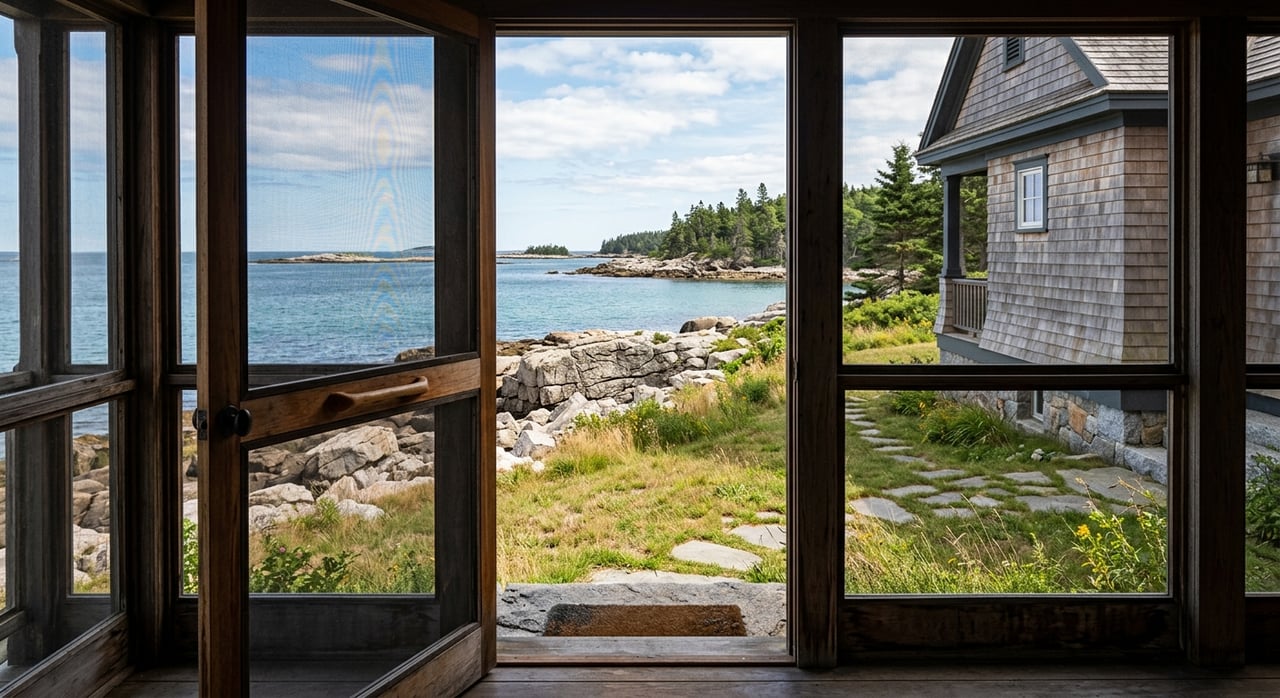
Sandwich’s historic character is a real factor in how you buy and what you can change. Multiple local historic districts and an active Historic District Committee guide exterior work in designated areas. If you are considering a historic property, review the town’s Historic Districts overview and the HDC Guidelines and Procedures before planning visible exterior changes.

Price and appraisal: new vs historic

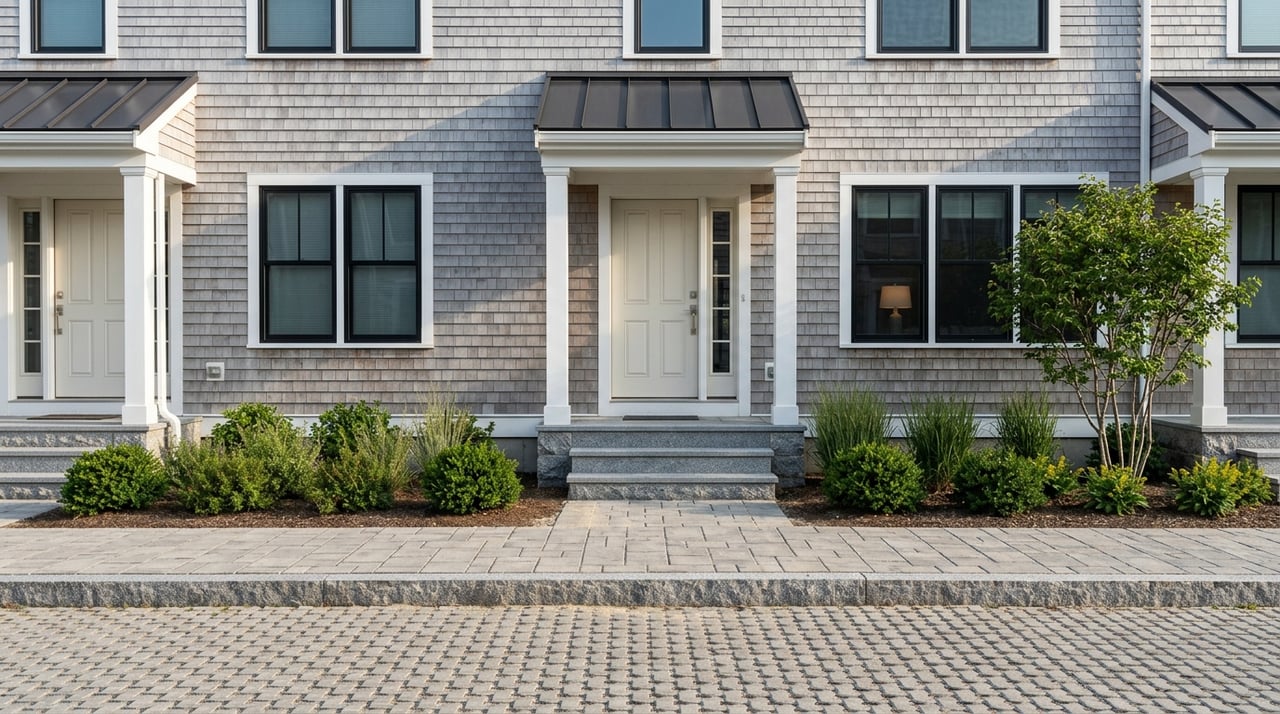
New construction often lists at a premium per square foot because you are paying for modern systems, open layouts, and builder warranties. In Sandwich’s most desirable pockets, well‑maintained historic homes can match or exceed that pricing due to location, lot quality, and architectural character. The smarter move is to compare by neighborhood, not townwide.

Appraisals work differently too:

  • New builds typically use a plan‑based appraisal tied to specs and finishes, then convert to a permanent mortgage at completion. Lenders will verify progress and require a certificate of occupancy.
  • For historic homes that need work, renovation loans use the after‑repair value. Fannie Mae’s HomeStyle Renovation requires an “as‑completed” appraisal, contractor documentation, and draw oversight. You can review the program mechanics in Fannie Mae’s HomeStyle Renovation guide.
  • Unique historic homes sometimes lack close comparable sales. Expect your lender to ask for condition details or repair quotes to support value and safety.

Maintenance and lifecycle costs

Every home needs care. A simple planning rule is to set aside about 1 percent to 4 percent of a home’s value per year for maintenance and repairs. Older homes, or those with deferred work, tend to push toward the higher end of that range. Learn more about the budgeting concept from this consumer explainer on the 1–4 percent rule.

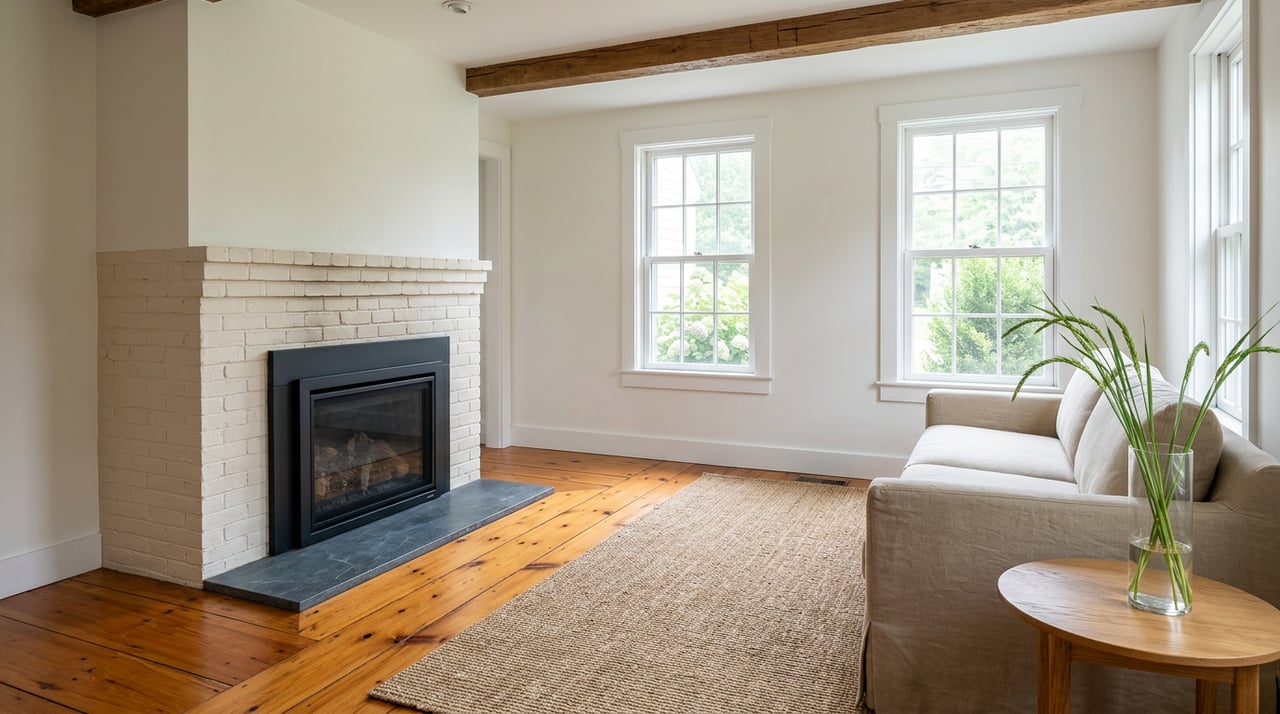
Historic‑specific watchouts in Sandwich include older electrical systems, legacy oil boilers, plaster and lead paint, and original window sashes. If an inspector flags health or safety issues, repairs may be required for financing or insurance. HUD’s FHA 203(k) consumer guide explains how rehab funds can be rolled into a mortgage if needed.

New construction usually brings lower near‑term risk on big‑ticket items and should reduce surprise repairs in the first few years. That said, no home is maintenance‑free. Keep a running list of system ages and manufacturer warranties.

Energy performance and incentives

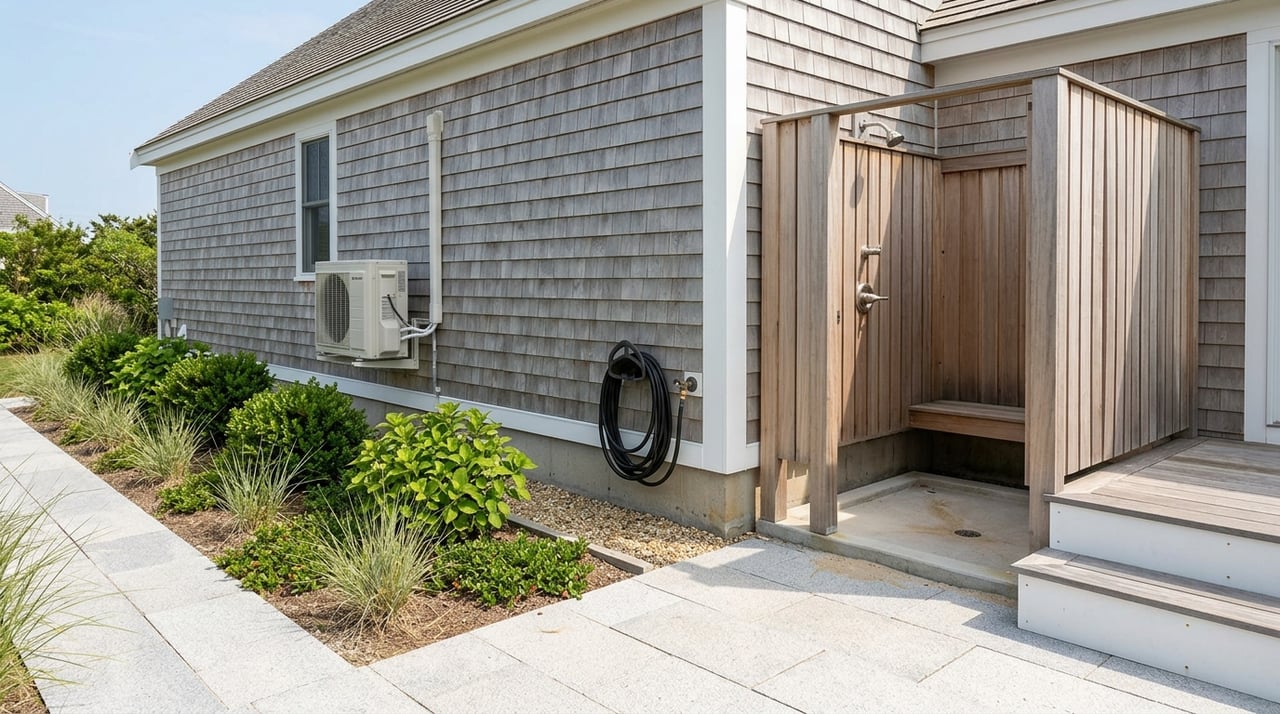
New builds are typically tighter, better insulated, and designed around efficient systems like heat pumps. That can mean lower utility bills from day one. Historic homes can catch up with thoughtful upgrades, especially insulation and heat pumps, but exterior changes in local historic districts may need review.

Before you plan a visible change like solar panels or window replacements on a historic home, read the town’s HDC Guidelines and confirm review steps.

For incentives, Massachusetts offers strong support for electrification through Mass Save heat pump rebates and HEAT loans. Program amounts and eligibility can change, so check the current page when you plan your project. Federal tax credit rules also vary by tax year. The IRS details eligibility on its Residential Clean Energy Credit page. Match your installation date to the correct tax year.

Permits, septic and coastal factors

Buying or building on the Cape adds a few extra layers to your due diligence:

  • Septic and wastewater. Title 5 compliance, potential advanced nitrogen‑reducing systems, and planned sewer expansions can affect cost and timing. Sandwich provides updates and resources through its Water Quality Advisory Committee. Confirm system status and any upgrade obligations early, especially if you want to add bedrooms.
  • Flood and coastal risk. Parts of Cape Cod face coastal flooding and future sea‑level‑rise exposure. Check flood maps and coastal risk viewers during your inspection window. The county provides context through its Coastal Processes program. Lenders will require flood insurance if the property is in a mapped flood zone.
  • Historic district reviews. Exterior work on designated properties needs town review. Interiors are generally easier to update, but ask the HDC if unsure.

Financing: new construction vs renovation

How you finance often flows from the property itself.

  • New construction. Most buyers use a single‑close construction‑to‑permanent loan. During the build, payments are often interest‑only on drawn amounts. When the home is finished and passes final inspections, the loan converts to a standard mortgage. This consumer primer on construction‑to‑permanent loans outlines steps, draws, and borrower expectations.
  • Renovating a historic home. Two common paths are FHA 203(k) and conventional renovation financing. FHA 203(k) can fund structural and non‑structural work depending on the option you choose. The FHA 203(k) guide explains eligibility and process. Fannie Mae’s HomeStyle Renovation supports a wide range of projects, but documentation is detailed and the appraisal is based on the as‑completed value.

Practical tip: not all lenders specialize in renovation or construction loans. Ask early about overlays, contractor approval, draw schedules, and timelines.

Quick buyer checklist

Use these prompts to align your choice with your budget, timeline, and goals in Sandwich:

  • Budget and cash reserves. Do you want fewer near‑term surprises? New builds reduce short‑term maintenance risk. Historic homes often benefit from a renovation reserve. Use the 1–4 percent annual rule as a planning guide.
  • Timeline. Do you need move‑in ready this season, or can you wait 6 to 18 months for a build? Construction permits and lender draws affect schedules.
  • Exterior changes. Planning solar, new windows, or a dormer addition? If the property is in a local historic district, read the HDC Guidelines to understand the review process.
  • Septic and bedrooms. Confirm Title 5 status and whether watershed plans could impact an addition. Start with the town’s Water Quality Advisory Committee page.
  • Energy incentives. Check Mass Save for current rebates and HEAT loans, and verify any federal credits against the IRS guidance for your installation year.
  • Loan path. For projects that need work, ask lenders about FHA 203(k) vs HomeStyle and their renovation experience. For new builds, ask about single‑close construction‑to‑perm and typical draw inspections.

How to choose in Sandwich: three real‑world fits

  • You want classic Cape character and an in‑town setting. A well‑maintained historic home in a walkable area could be ideal. Budget for ongoing care, review HDC rules for exteriors, and consider a renovation loan if you plan updates.
  • You want modern systems, energy savings, and open living. New construction offers efficient envelopes, heat pumps, and fewer near‑term repairs. Plan around construction‑to‑perm financing and a realistic build timeline.
  • You want a blend. An updated older home outside a historic district or a thoughtfully designed new build in an established neighborhood can deliver character with comfort. Focus on system ages, insulation, and any septic or flood considerations.

Bringing it all together

In 02563, both new builds and historic homes can be great choices. Your best fit comes down to budget, appetite for projects, timing, and the specific lot or neighborhood. Start with the essentials: confirm septic status, check for flood exposure, understand any historic district constraints, and align your financing path early. When your property short list is clear, you will be ready to compare true costs and move with confidence.

If you want a calm, data‑driven partner to help you weigh the tradeoffs and negotiate the right outcome in Sandwich, reach out to Shana Lundell. Let’s connect.
FAQs

What are the key cost differences between new builds and historic homes in Sandwich?

  • New builds usually carry a higher price per square foot but lower near‑term maintenance, while historic homes may have lower upfront cost with higher ongoing upkeep using the 1–4 percent annual budget rule.

How do historic district rules affect home improvements in 02563?

  • Exterior changes on designated properties can require review; read the town’s HDC Guidelines and contact the HDC early to confirm what is permitted.

Can I finance repairs when I buy a historic home in Sandwich?

  • Yes, options include FHA 203(k) and Fannie Mae HomeStyle, which use an as‑completed value and add contractor documentation and lender oversight.

Are there energy rebates for heat pumps in Massachusetts?

  • Mass Save offers rebates and 0 percent HEAT loans for qualifying heat pump projects; review current details on the Mass Save heat pump page.

What should I know about septic systems before buying on Cape Cod?

Work With Shana

She is proud to have over 100 five-star client testimonials that rave about her positive, professional, responsive, and authentic approach to real estate service. Love where you live. Live where you love.
FOLLOW ME