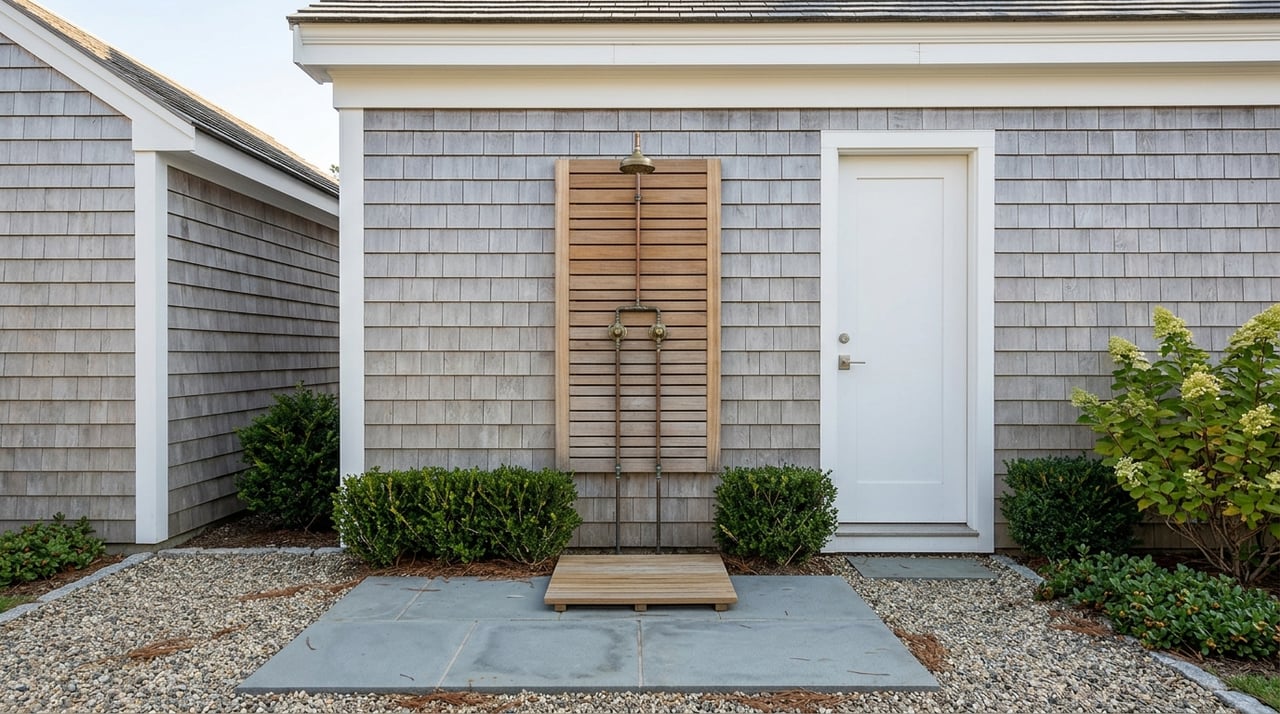
Buying A Short-Term Rental In Wareham And Onset
Thinking about buying a short-term rental in Wareham or Onset? It can be an exciting way to own a coastal property with income potential, but it is not as simple as checking nightly rates and booking a few summer weekends. If you want to buy wisely, you need to understand local registration rules, seasonal demand, parking logistics, taxes, and the true cost of operating an older coastal home. Let’s dive in.
Wareham and Onset appeal to buyers looking for a lifestyle property that may also produce rental income. Onset Village is identified in Wareham planning documents as the town’s tourist destination, especially in the summer, when festivals and social events increase activity.
That seasonal draw matters when you are evaluating an investment. Wareham also has a large seasonal housing stock, which means these markets can offer strong summer appeal, but they also come with a more seasonal operating pattern than a typical year-round rental.
Public AirDNA snapshots show an active short-term rental market in both areas. Wareham has 119 active listings with about 52% occupancy, an average daily rate of about $349.80, and annual revenue around $21,900. Onset has 87 active listings with about 51% occupancy, an average daily rate of about $395.80, and annual revenue around $25,000.
Before you focus on finishes, water views, or projected income, start with compliance. In Wareham, anyone renting or offering to rent a dwelling or part of a dwelling must first register with the Board of Health, receive an annual certificate of registration, post that certificate, and complete a state sanitary code inspection upon registration.
That certificate is not transferable. If ownership changes, the new owner must complete a new registration process. Just because a property has been used as a rental before does not mean you can assume the same approval carries over after closing.
Wareham also makes clear that rental registration does not replace other legal requirements. A property still must comply with zoning, building, fire, Title V, and other applicable rules. In other words, a Board of Health certificate is important, but it is only one piece of the due diligence puzzle.
Massachusetts defines short-term rentals as occupied properties rented through advance reservations for 31 days or less. These rentals are generally subject to the room occupancy excise.
The state room occupancy excise is 5.7%. Cities and towns can add a local room occupancy excise of up to 6%, and a community impact fee of up to 3% may apply if the town has adopted it and the property fits the statutory category. Operators and intermediaries must register on MassTaxConnect.
One detail buyers often miss is how taxable rent is calculated. According to the state, taxable rent includes optional charges such as cleaning, linen, and booking fees. That means those charges should be part of your tax planning, not treated as fully separate from occupancy tax exposure.
Massachusetts also requires liability insurance of at least $1 million per short-term rental unless the hosting platform provides equal or greater coverage. Operators must also notify their insurer that the property will be used as a short-term rental.
A short-term rental in Wareham or Onset should be underwritten with seasonality in mind. Local planning documents describe Onset as a summer-focused destination, and they note that Wareham has a significant seasonal housing supply.
AirDNA data supports that pattern. A notable share of listings are available year-round, with 39% of Wareham listings and 48% of Onset listings available 271 to 365 nights per year. Even so, buyers should be careful not to assume flat demand across all months.
This matters because your carrying costs continue year-round, even when bookings slow down. If you are buying based on summer excitement alone, your projections may be too optimistic.
Revenue is only half the story. A realistic pro forma for a Wareham or Onset short-term rental should include taxes, insurance, registration fees, utilities, cleaning, supplies, maintenance, and local operating logistics.
Here are the main expense categories to model:
Wareham’s Board of Health fee schedule includes a $125 annual rental registration fee, $50 for additional units at the same address, a $50 reinspection fee, and a $250 late fee after April 30. These are not huge numbers by themselves, but they do affect net income and should not be ignored.
Property taxes are a major underwriting line item in Wareham. The town’s FY2026 tax rate is $8.56 per $1,000 of valuation, and some properties may also have additional district and CPA charges.
That is why it is smart to model taxes from the property’s actual assessed value rather than from a broad online estimate. Two homes with similar list prices may carry different annual tax burdens depending on assessment and district-level charges.
Many buyers are drawn to the character of older coastal homes, especially in seasonal markets. That charm can be real, but so is the upkeep.
Wareham’s housing plan states that 62.3% of the town’s housing stock was built before 1980. The same plan notes that seasonal housing stock can create increased service demands and substandard-condition risk.
For you, that means reserves should be conservative. Older coastal properties may need more exterior upkeep, pest control, turnover labor, and periodic repairs tied to code, wear, or deferred maintenance.
If you are looking in Onset, parking should be part of your buying decision from day one. The town enforces Onset pay-to-park zones from June 1 through September 15 and the Onset Residential Street Parking Program from May 1 through October 31.
For short-term rental owners, the key issue is guest access. Temporary guests or vacation-rental guests cannot buy residential permits themselves. The property owner must arrange the needed visitor or guest parking permissions.
Guest passes are limited to six per day and are valid for 24 hours each. Visitor permits cost $5 each. So while parking may not be the biggest direct expense, it can become a real administrative task and a major part of the guest experience.
Buying the right property starts with more than a walk-through and an offer price. In Wareham and Onset, short-term rental buyers should verify how the home works as an operating property, not just as a place to stay.
Start by confirming that the property complies with zoning, building, fire, Title V, and other applicable requirements. Rental registration does not fix a septic issue, code problem, or use limitation.
This is especially important in denser parts of Onset, where parcel size, lot layout, and wastewater capacity may affect how the property can be used. If a home seems ideal for summer guests but has infrastructure or compliance issues, the long-term ownership experience may be much harder than expected.
Do not assume the seller’s registration status will carry over. Wareham’s certificate is not transferable, so a new owner should expect to complete a fresh registration.
If the property is already operating as a rental, verify its current status before closing. That can help you spot open compliance issues, missed deadlines, or inspection items early.
In Onset, parking is not a small detail. Ask how guest parking has been handled, what on-site parking exists, and whether your planned guest count fits the property’s practical parking setup.
If parking is difficult or confusing, guest satisfaction can suffer quickly, especially during the summer season. A smooth parking plan is part of running a successful short-term rental in this area.
If you plan to rent only occasionally, ask whether your use may fit the Massachusetts 14-day exemption. The state says the room occupancy excise does not apply if the operator files a declaration to rent the property for no more than 14 days in a calendar year.
Even then, the property should still be registered. This is a useful point to clarify if you are buying primarily for personal use with only limited rental activity.
A good short-term rental purchase in Wareham or Onset is usually about fit, not just forecasted income. You want a property that aligns with local rules, supports a workable guest experience, and leaves room in the budget for taxes, maintenance, and seasonal swings.
For some buyers, that may mean prioritizing easier parking, simpler upkeep, or a cleaner registration path over a slightly stronger projected nightly rate. For others, it may mean buying with a long-term lifestyle goal in mind and treating rental income as helpful support rather than the sole reason to own.
That balanced approach tends to create better decisions and fewer surprises. In seasonal coastal markets, the best purchase is often the one that works well on paper and feels sustainable in real life.
If you are exploring a short-term rental purchase in Wareham or Onset, working with a local advisor can help you evaluate each property through both a lifestyle and ownership lens. When you are ready to talk through options, local market fit, and next steps, connect with Shana Lundell.

She is proud to have over 100 five-star client testimonials that rave about her positive, professional, responsive, and authentic approach to real estate service. Love where you live. Live where you love.
SHANA LUNDELL
ADDRESS