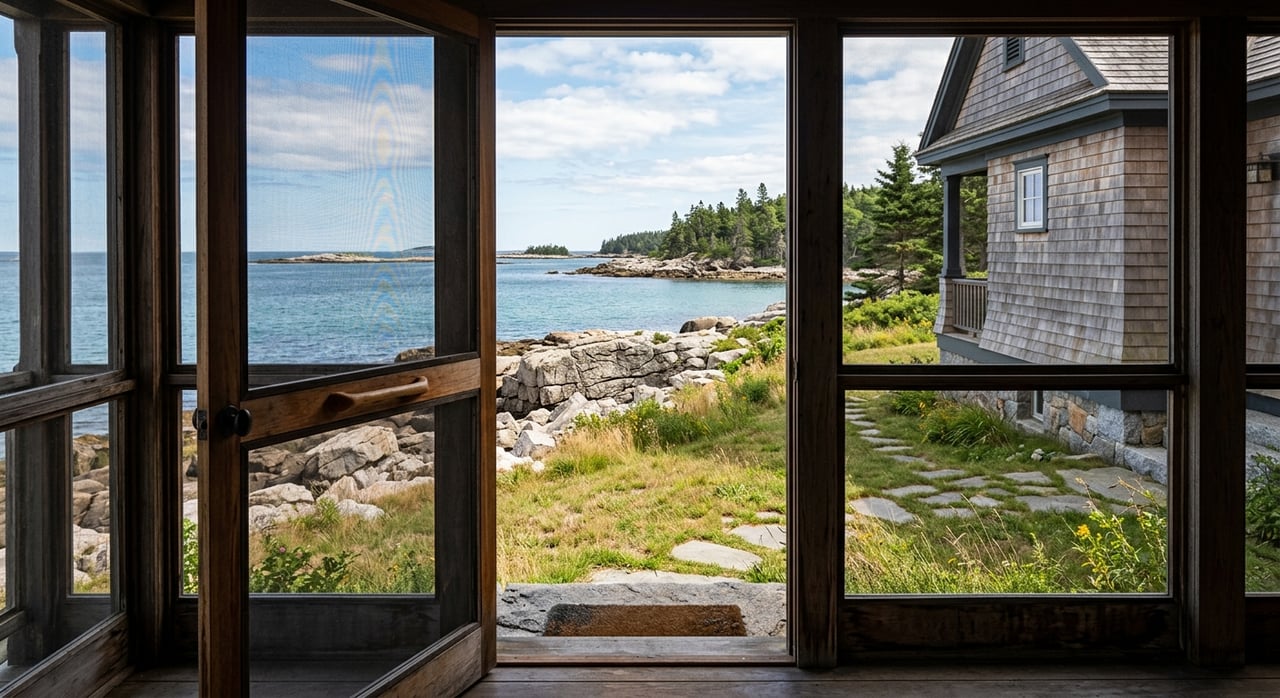
Guide to Falmouth Waterfront Neighborhoods and Beaches
If you picture Cape Cod living as mornings near the water, afternoons at the beach, and evenings shaped by harbor light and salt air, Falmouth deserves a closer look. This town offers a waterfront lifestyle that feels both lively and grounded, with distinct villages, public beaches, boating access, and a real year-round community. If you are trying to figure out where the vibe fits your lifestyle best, this guide will help you compare the waterfront feel across Falmouth. Let’s dive in.
Falmouth is not just a beach town in the summer. Town materials describe roughly 68 miles of shoreline, 10 public beaches, active harbors, and several shoreline-linked communities that shape daily life around the water. The town also has a substantial year-round population, with about 32,517 residents, while summer population rises to around 93,000.
That split matters when you are choosing where to live or buy a second home. Some neighborhoods feel active and busy in peak season, while others stay quieter and more tucked away. It also affects practical details like beach staffing, sticker enforcement, and seasonal water service in some areas.
Falmouth waterfront living is not one-size-fits-all. Each village or neighborhood has a different rhythm, level of density, and relationship to beaches, harbors, and town services. Your best fit often comes down to whether you want walkability, boating access, village character, or a more spread-out residential setting.
Woods Hole feels compact, historic, and deeply tied to the water. Town materials describe it as a historic seaside fishing village with major research institutions, and it stands out for Great Harbor, Little Harbor, Eel Pond, Stony Beach, the ferry terminal, and the Shining Sea Bikeway terminus.
If you like a walkable setting by Cape Cod standards, Woods Hole has strong appeal. It can also feel busier and more constrained because parking is limited and the village core is tightly built. For older homes, it is important to know that Woods Hole is one of Falmouth’s historic districts, so exterior work visible from a public way may require Historical Commission review.
If you want to stay close to both downtown activity and the beach, this part of town is often the most central choice. Falmouth Village includes older, more densely settled areas around Main Street, while nearby Falmouth Heights connects you to Heights Beach and Bristol Beach.
Surf Drive Beach is a major draw here because it sits within a short walk of Main Street. Falmouth Heights Beach faces Vineyard Sound and has limited parking, which can shape your day-to-day experience in summer. Overall, this area tends to suit buyers who want beach access and town convenience in the same place.
Teaticket includes the older Maravista neighborhood along with a mix of old and newer residential areas. This part of Falmouth feels connected to the central town area, but often with a more residential pattern than the denser village core.
For many buyers, Maravista and Teaticket can offer a flexible waterfront-adjacent lifestyle. You are still connected to beaches, ponds, and boating areas, but the feel is generally less compact than Woods Hole or central Falmouth Village. That can be appealing if you want water nearby without being in the middle of the busiest historic cores.
West Falmouth has a scenic, quieter feel with strong ties to boating and open space. Town planning materials describe a historic village center along Route 28A, surrounded by residential subdivisions, shore-side homes, and protected land.
Water access plays a big role here. West Falmouth Harbor is a well-protected harbor system with moorings and active recreational boating, and nearby assets include Chapoquoit Beach, Wood Neck Beach, Trunk River, and Quissett Harbor. If your ideal Cape setting leans more harbor-oriented than downtown-oriented, this area often stands out.
North Falmouth offers a village feel with a little more breathing room. Town materials describe both a historic village center and a newer town center, and the area benefits from the northern end of the Shining Sea Bikeway.
This side of town has a strong Buzzards Bay identity. Megansett Harbor supports both shellfishing and recreation, with mooring areas, landing access, and beach access nearby. Old Silver Beach and Megansett Beach are the signature beach draws, making this area attractive if your vision of waterfront living includes both sand and boating.
East Falmouth feels broader and more residential-commercial in layout than the tighter village areas. Town materials describe it as an expansive area, and the waterfront story here includes Menauhant Beach plus boating access points at Great Pond, Green Pond, Eel River, Childs River, Seapit River, and Waquoit Bay.
This part of town often appeals to buyers who want waterfront access woven into a more suburban setting. The neighborhood fabric is less centered on one compact historic core and more on a wider mix of residential areas, roads, ponds, and marinas. That can create more variety in how waterfront living looks from one property to the next.
Falmouth’s beaches are a major part of the lifestyle, but each one feels a little different. The town staffs 10 beaches and manages access through resident and non-resident beach stickers, with summer operations that include lifeguard hours, parking rules, and seasonal restrictions.
Here are a few beach personalities that stand out based on town and chamber materials:
If beach access is a top priority, it is smart to think beyond a map. Parking limits, sticker rules, and how busy a beach gets in season can make a real difference in how convenient it feels once you own there.
In Falmouth, living near the water is not the same as having easy boating access. The Town’s Harbor Master Division manages 14 harbors and about 3,000 moorings, while the Town Marina includes 100 slips, additional bulkhead space, slips in Green Pond, and a commercial dock in Great Harbor in Woods Hole.
The key practical detail is that moorings and slips are waitlisted. Town materials show especially long waits in areas including Eel Pond in Woods Hole, Falmouth Inner Harbor, Quissett, West Falmouth, and Megansett. If boating is central to your lifestyle, you will want to evaluate the access system just as closely as the home itself.
One of Falmouth’s strengths is that it supports both year-round life and seasonal coastal living. You can enjoy a town with an established civic base in every season, while still getting the energy and waterfront activity that peak in late spring and summer.
That seasonal rhythm shows up in obvious ways. Beaches are staffed in season, enforcement increases in summer, and public spaces become more active as visitors arrive. For buyers, that means the same street can feel very different in February than it does in July.
Falmouth preserves seven local historic districts, including Falmouth Center, North Falmouth, Quissett, Waquoit, West Falmouth, and Woods Hole. In those districts, exterior work visible from a public way requires review by the Historical Commission.
That does not mean you should avoid older coastal homes. It does mean you should go in with a clear understanding of what changes may require review, especially if you are planning a renovation soon after closing. In waterfront areas with historic character, that step can be an important part of your buying plan.
The best neighborhood for you depends on how you want to spend your time. A buyer who wants to walk to the beach and downtown may be drawn to Falmouth Village or Falmouth Heights, while someone focused on moorings and harbor life may prefer West Falmouth, Quissett, North Falmouth, or Megansett.
If you want a quick shorthand, this can help:
The right fit usually comes from matching your daily habits to the area’s real-world access, density, and seasonal pace. That is especially true in a town where beaches, harbors, parking, and historic rules can shape your experience as much as the house itself.
If you are exploring Falmouth for a primary home, seasonal retreat, or waterfront move on the Cape, working with a local advisor can help you compare not just listings, but lifestyle tradeoffs. To talk through neighborhoods, waterfront priorities, and what fits your goals, connect with Shana Lundell.

She is proud to have over 100 five-star client testimonials that rave about her positive, professional, responsive, and authentic approach to real estate service. Love where you live. Live where you love.
SHANA LUNDELL
ADDRESS