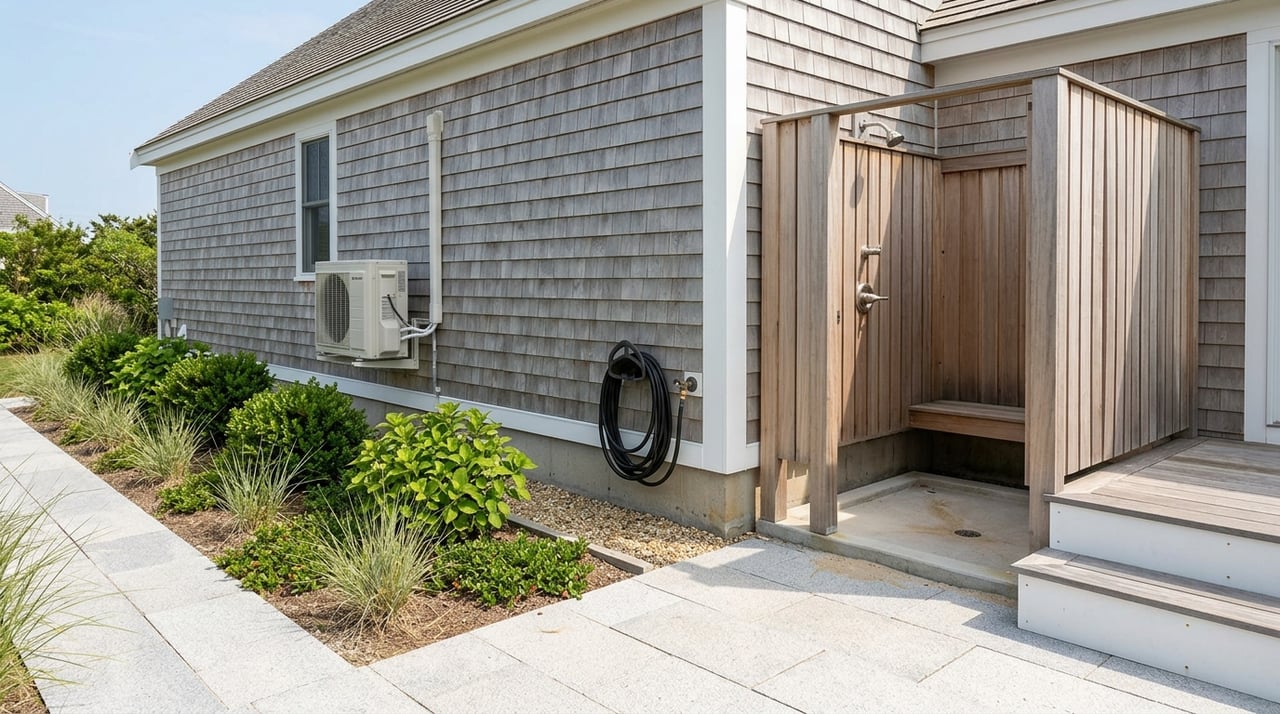
Owning a Sandwich Beach House: Costs and Key Commitments
Dreaming about a beach house in Sandwich is easy. Budgeting for one is where the real work starts. If you are thinking about buying a seasonal home near the water in Sandwich, you need a clear picture of the recurring costs, local rules, and upkeep that come with coastal ownership. This guide walks you through the commitments that matter most so you can plan with confidence. Let’s dive in.
The purchase price is only the starting point for a beach house in Sandwich. Your long-term budget should also account for property taxes, beach access costs, waste disposal, water charges, and possible rental registration fees.
For FY26, Sandwich’s property tax rate is $10.19 per $1,000 of assessed value. That equals about $1,019 per $100,000 of assessed value, or about $10,190 annually on a $1 million assessment, before any water-district add-ons.
If the property falls in a water district, there may be an added tax on the real estate bill. Sandwich Water District lists an add-on of $0.47 per $1,000, and North Sagamore Water lists $0.79 per $1,000.
There can also be a less obvious tax issue for second-home owners. Sandwich notes that personal property tax bills can apply to vacation homes, second homes, and investment properties, and Massachusetts says household furnishings at a non-principal residence can be taxable personal property. If you are buying a furnished beach house, it is smart to confirm that detail early.
Beach-house ownership often includes a set of smaller recurring costs that add up over time. These may not change your buying decision, but they should shape your monthly and annual budget.
Here are a few local examples from Sandwich:
If the home is on town water, the Sandwich Water District lists a minimum charge of $25 per six-month period that includes 20,000 gallons, with stepped charges above that usage. It is also important to remember that the water-district tax and the metered water bill are separate charges.
A beach house offers a special lifestyle, but it also comes with real environmental exposure. In Sandwich, flood and erosion risk should be part of your due diligence before you make an offer.
Massachusetts says standard homeowners insurance does not cover flood damage. The state also notes that lenders often require flood insurance in flood-prone areas, and a secondary residence is not typically covered by the homeowners policy on your primary home.
FEMA’s guidance notes that coastal A and V zones carry the highest flood risk. Flood exposure can also change over time due to weather patterns, land development, and erosion, which means today’s risk picture may not stay static.
The Massachusetts coastal hazards handbook says a building in a Special Flood Hazard Area has a 26% chance of flooding during a 30-year mortgage. For many buyers, that single number is enough to make flood-zone research a top priority.
Sandwich has a long history of storms, coastal flooding, and beach and dune erosion. The town’s Coastal Resiliency page says it has been working on sand-nourishment efforts to reduce vulnerability.
USGS reports long-term erosion at Town Neck Beach, tied in part to reduced sand supply after the Cape Cod Canal jetties were built. After Winter Storm Juno, the dune bluff was cut back by 8 meters, and nearby private properties remained at risk.
That context matters because coastal ownership can lead to repair and permitting obligations after major storms. After the February 23, 2026 blizzard, Sandwich posted emergency guidance that allowed work such as dune renourishment, coir-envelope repairs, and stair or deck repairs, with conservation approval and follow-up filings required.
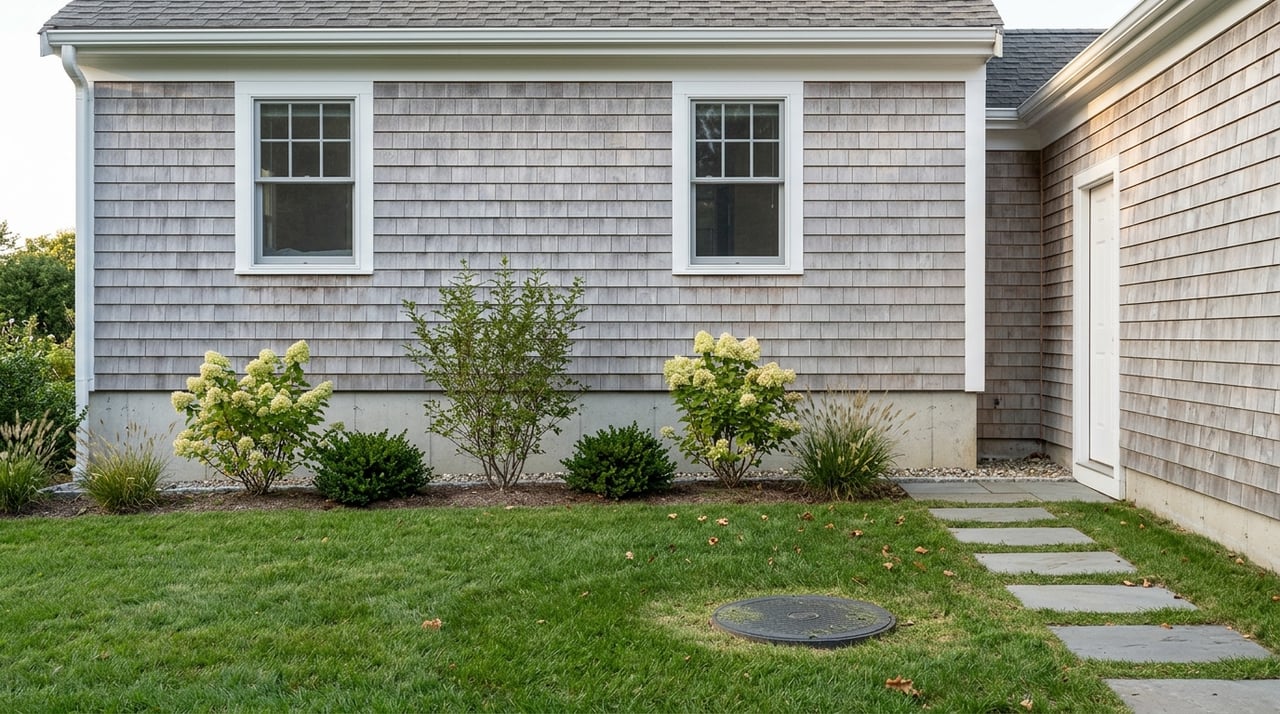
Many Sandwich properties rely on on-site sewage disposal systems. That makes septic maintenance a routine part of owning a beach house, not just a one-time inspection item.
The town explains that Title 5 governs the siting, construction, inspection, and maintenance of septic systems. Sandwich recommends regular inspections and says most septic tanks should be pumped every two to three years, depending on household size and water use.
The town also advises owners to protect the drainfield from vehicles and large shrubs and to conserve water. These may sound like small habits, but they can help you avoid expensive problems.
For many beach-house buyers, the real question is not just how the property works today. It is also whether you can add bedrooms, expand, or make future improvements.
Sandwich says nitrogen-sensitive areas and natural-resource areas can carry added restrictions for new construction or bedroom additions. So if you are buying a home with plans to renovate later, the septic system and site constraints deserve close review before closing.
Coastal improvements often involve more than a building permit. In Sandwich, the Conservation Commission administers the Wetlands Protection Act and the Sandwich Wetlands Bylaw.
That means shoreline work, grading, stairs, decks, and other coastal projects can trigger a separate review process. If you are considering a property with deferred exterior work or a plan to improve access to the beach, this is an important part of your timeline and budget.
In practice, this means you should look at more than the house itself. You also want to understand the lot, the shoreline conditions, and whether any future work may need conservation approval.
Part of the appeal of owning in Sandwich is easy access to the beach. But local beach use comes with seasonal rules that owners should know upfront.
Sandwich regulations prohibit glass containers, alcohol, open fires, overnight camping, and driving on dunes except in designated crossover areas. Town beaches are closed from 9:00 p.m. to sunrise.
There are also seasonal pet restrictions. Pets are prohibited on saltwater public beaches and beach parking areas from April 1 to September 15.
These details may seem minor during a home search, but they shape how you use the property through the summer. If your beach-house vision includes dogs, guests, or frequent evening gatherings, it helps to know the local rules in advance.
If you plan to rent out your Sandwich beach house for part of the year, there is now a formal town process to follow. As of January 1, 2025, owners renting for 1 to 30 consecutive days must register with the town.
The process includes submitting a floor plan and scheduling an annual inspection. The posted registration and first-inspection fee is $250.
This matters even if rentals are only an occasional plan. A home that works well as a personal getaway may still require added time, paperwork, and compliance steps if you want to generate seasonal income.
For many second-home owners, the ownership experience starts before they reach the front door. Travel to and from the Cape affects everything from weekend flexibility to contractor scheduling.
MassDOT says the Sagamore Bridge replacement project is moving through procurement, with construction of the new bridge expected to start in winter 2027-2028. If you expect to travel on and off Cape Cod often, that timeline is worth keeping on your radar.
This does not mean you should avoid buying in Sandwich. It simply means access logistics should be part of the larger lifestyle and planning conversation.
Before you move forward, it helps to review a beach house through four simple lenses: recurring costs, environmental exposure, property systems, and lifestyle logistics. A beautiful home near the water can still be the right choice, but only if the ongoing commitments fit your plans.
As you compare properties, ask questions like these:
The right beach house is not just the one with the best views. It is the one that matches your budget, risk tolerance, and how you actually want to live.
If you are considering a beach house in Sandwich or elsewhere on the Upper Cape, working with a local advisor can help you sort through the details that do not always show up in a listing sheet. For thoughtful guidance on waterfront and seasonal-home buying, connect with Shana Lundell.
She is proud to have over 100 five-star client testimonials that rave about her positive, professional, responsive, and authentic approach to real estate service. Love where you live. Live where you love.
SHANA LUNDELL
ADDRESS