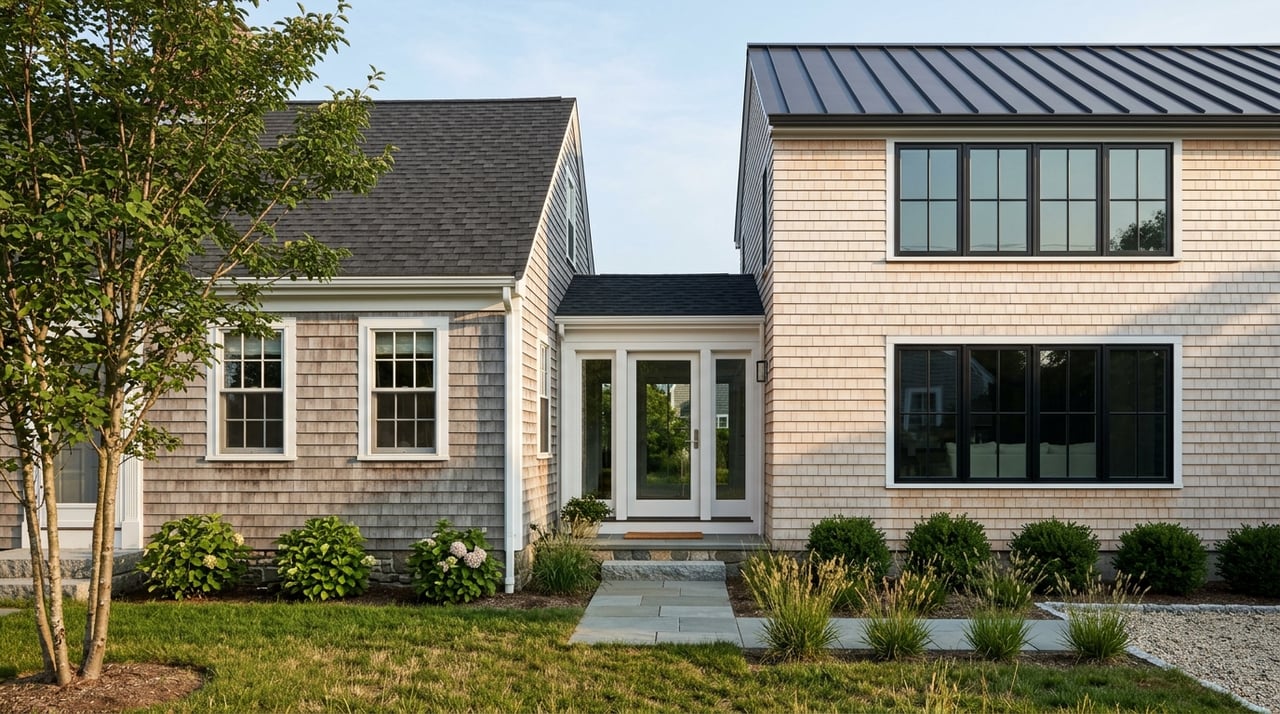
Falmouth New Construction vs Renovated Homes: Which Fits?
Buying in Falmouth often comes down to one big question: do you want the ease of something brand new, or the charm of a home that has already lived a little? If you are weighing new construction versus a renovated home, you are not alone. In a town with older housing stock, limited updated inventory, and distinct neighborhood differences, the right choice depends on how you want to live, what work you are willing to take on, and where in town you want to be. Let’s dive in.
Falmouth is not a market where every neighborhood offers the same mix of homes. According to the town’s 2024 Housing Production Plan, about 62% of housing units were built before 1980, and only about 10% of selected residential parcels were built since 2000. That helps explain why renovated homes are such a major part of the local conversation.
It also means true new construction can feel limited and location-specific. Current market snapshots show about 25 new homes and just 7 homes marketed as turnkey, which suggests fully updated options are especially thin. When inventory is tight in both categories, understanding the tradeoffs becomes even more important.
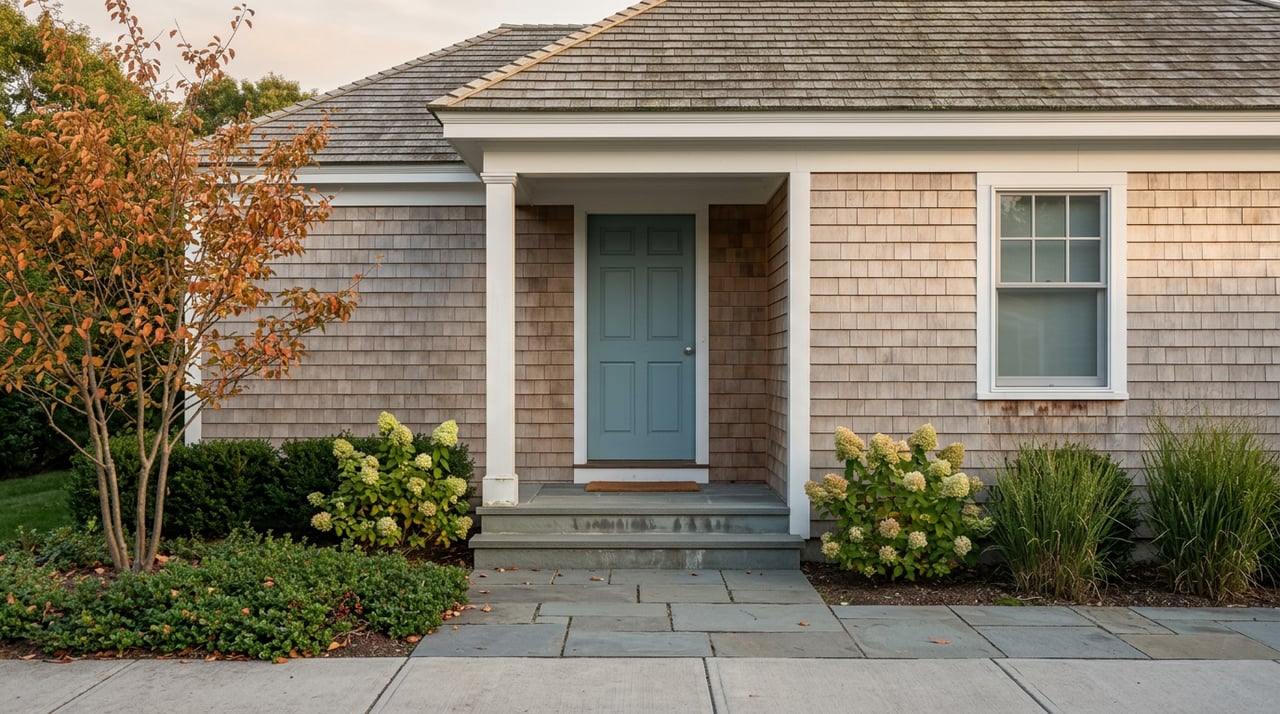
New construction usually appeals to buyers who want simplicity. In Falmouth, newer homes are often marketed with open living areas, primary suites, attached garages, and high-end finishes like quartz counters and cathedral ceilings. These layouts tend to match how many buyers want to live today.
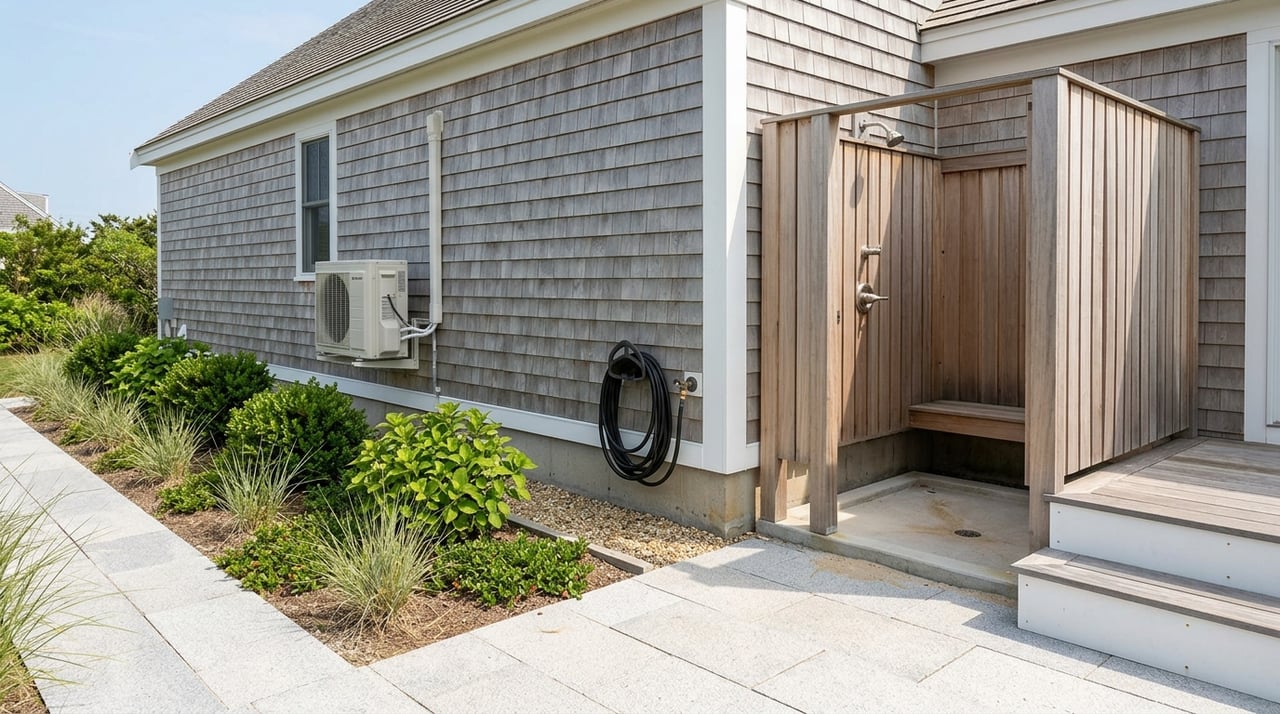
Another advantage is efficiency. Massachusetts uses the 2021 IECC as the base energy code with state amendments, and the Stretch Energy Code is designed to be more energy efficient than the base code. In practical terms, that means a newly built home often starts with a better efficiency baseline than an older home that was updated in stages over time.
For many buyers, that can translate into more predictable maintenance in the early years. You may also spend less time thinking about whether key systems were replaced recently or whether upgrades were done consistently throughout the house.
In Falmouth, new construction does not appear evenly across town. Current listing patterns suggest it is more common in smaller development pockets and infill locations, including areas around the Josiah Path and Brick Kiln corridor, East Falmouth, and other more buildable sections.
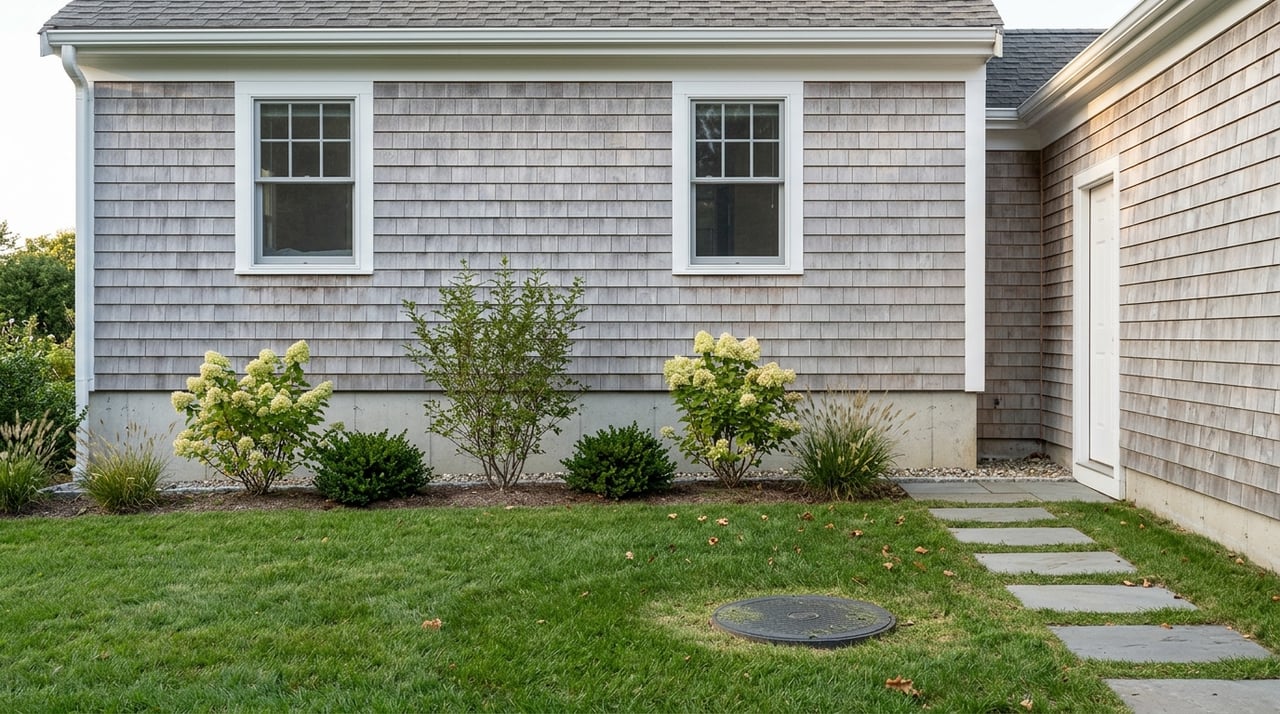
That pattern lines up with local planning realities. Sewer service is limited to about 11% of developed properties, and most homes rely on septic systems. In sewered areas, a flow-neutral bylaw can restrict redevelopment when a project increases wastewater flow, which can affect where and how new homes are built.
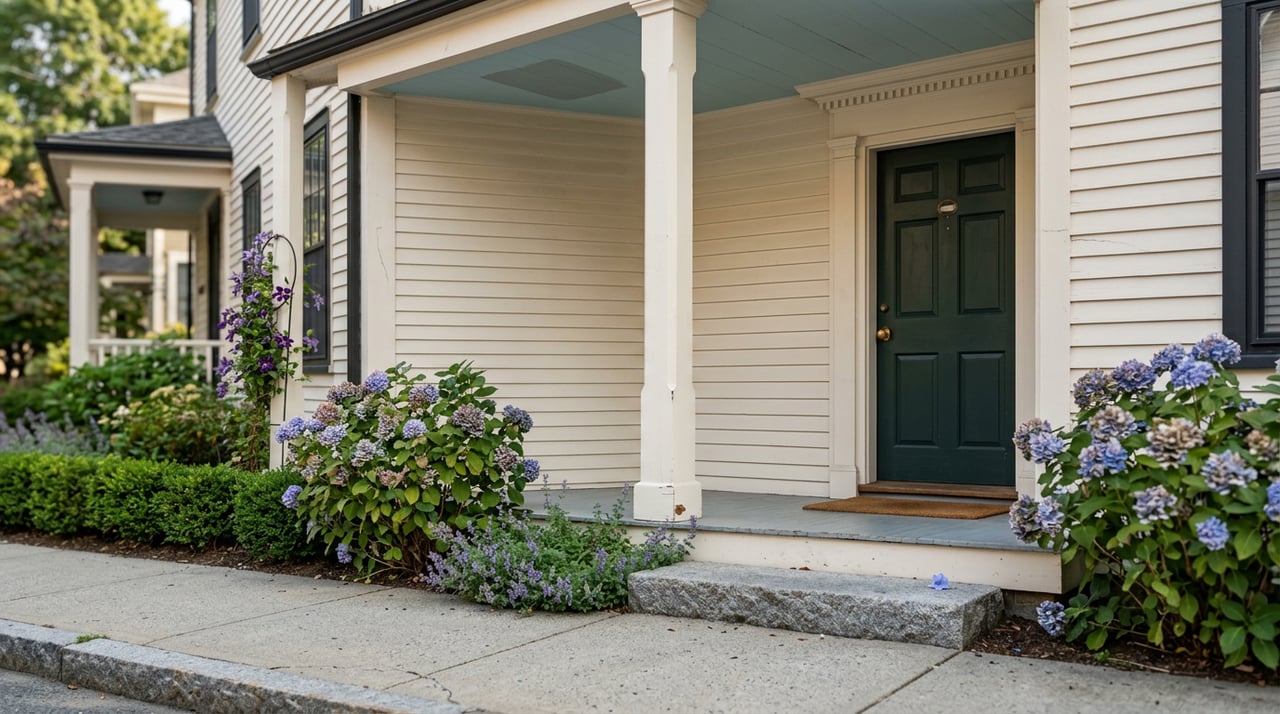
If you are drawn to Falmouth for its village feel, architectural detail, and established settings, renovated homes may be the better fit. In places like Falmouth Village, West Falmouth, and Woods Hole, older homes often offer a more distinctive style and a stronger sense of place than newer construction.
That can mean preserved details paired with modern updates. Current examples in the market include older homes with features like chef’s kitchens, refreshed primary suites, open living areas, libraries, and garage additions. For many buyers, that blend of character and comfort is the real appeal.
Renovated homes can also put you in locations where new construction is far less common. In some cases, a beautifully updated older home in a premium village setting may cost more than a brand-new home in another part of town.
This is one of the biggest things to watch. The word renovated can describe a wide range of work, from cosmetic improvements to a true top-to-bottom overhaul.
Some listings show major updates like new heating, updated plumbing, full insulation, heat pumps, central air, on-demand hot water, or a newer septic system. Others may look fresh on the surface but leave older systems or future projects for the next owner. In Falmouth, the depth and quality of the renovation matter more than the label itself.
If you are considering an older home with plans to expand, alter, or rebuild, local rules matter. Falmouth’s Historical Commission states that exterior work in the town’s seven local historic districts requires review. That includes new construction, additions, renovations, restorations, sheds, fencing, and stone walls, and visible exterior changes need a Certificate of Appropriateness or administrative review before a permit can be issued.
Falmouth also has a 12-month demolition-delay bylaw for many buildings outside historic districts. For you as a buyer, that means renovation plans may take longer and involve more review in areas such as Falmouth Village, West Falmouth, Woods Hole, North Falmouth, Quissett, Waquoit, and Davisville.
That does not mean you should avoid these areas. It simply means you should compare the full project path, not just the listing price.
In Falmouth, utility constraints can shape both new construction and renovation decisions. With sewer service reaching only a limited share of developed properties, most homes depend on septic systems.
That matters if you hope to add bedrooms, expand square footage, or significantly change how a home functions. In some locations, wastewater rules and capacity limits can affect what is realistic. This is one reason a lower-priced property with “potential” is not always the simpler or less expensive path.
In Falmouth, location can drive value just as much as the age of the home. Current data shows notable differences by area, with median sale prices around $1.4M in West Falmouth, about $1.6M in Woods Hole, and about $841K in East Falmouth. Falmouth Village listings also trend at a much higher price point than the town as a whole.
That means your decision is not just new versus renovated. It is also village setting versus broader price flexibility, established character versus newer development pockets, and premium location versus newer finishes.
For example, if your top priority is being near a historic village environment, a renovated home may align better with your goals. If you prefer a newer layout and lower near-term upkeep, East Falmouth or another area with more recent construction may offer a better fit.
If you are torn between the two, start with your day-to-day lifestyle rather than the listing photos. The best choice usually becomes clearer when you focus on how much uncertainty, maintenance, and future work you are comfortable with.
Choose new construction if you want:
Choose a renovated home if you want:
Before you decide, compare each property through a local lens. In Falmouth, these details often matter more than broad general advice.
There is no universal winner between new construction and renovated homes in Falmouth. The better option is the one that matches your priorities, budget, and comfort level with future work.
If you want efficiency, modern design, and fewer early maintenance questions, new construction may be the stronger choice. If you want location, character, and a home with a more rooted Falmouth feel, a thoughtfully renovated property may be worth the extra scrutiny.
A smart decision in this market comes from looking beyond the finish level and asking how the home fits your long-term plans in Falmouth. If you want help comparing options with a clear local strategy, Shana Lundell can help you evaluate the tradeoffs and move forward with confidence.
She is proud to have over 100 five-star client testimonials that rave about her positive, professional, responsive, and authentic approach to real estate service. Love where you live. Live where you love.
SHANA LUNDELL
ADDRESS